What does it mean when blisters appear on the earlobe?
Nov 28, 2025
Source: Cainiu Health

Dr. Liu Wenmin
Introduction
In general, blisters on the earlobe may be caused by friction or physical trauma, allergic reactions to jewelry, herpes zoster (shingles), contact dermatitis, or bacterial infection. It is recommended to seek medical attention promptly, identify the underlying cause, and receive appropriate treatment under a doctor's guidance. In daily life, avoid frequently touching the earlobe and maintain ear hygiene. Ensure that ear piercings and jewelry are clean before wearing earrings.
Generally, blisters on the earlobe may be caused by factors such as friction injury from external forces, allergic reactions to jewelry, herpes zoster, contact dermatitis, or bacterial infections. It is recommended to seek medical attention promptly, identify the underlying cause, and receive appropriate treatment under a doctor's guidance. Specific analyses are as follows:
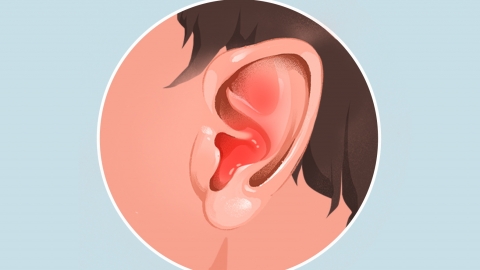
1. Friction injury from external forces: Wearing overly heavy earrings or prolonged pressure and friction from headphones can damage the skin, leading to blister formation due to exudation of tissue fluid. Immediately remove the earrings and headphones, gently disinfect the blister and surrounding skin with iodophor, avoid puncturing small blisters, and allow them to be naturally absorbed and healed.
2. Jewelry irritation and allergy: Wearing metal earrings made of materials like nickel alloys may trigger an allergic reaction, resulting in transparent blisters on the earlobe accompanied by itching. Discontinue use of the earring, clean the earlobe with warm water, switch to inert metal jewelry such as pure silver or pure gold, and avoid re-exposure to allergenic materials.
3. Herpes zoster: Caused by infection with the varicella-zoster virus, clusters of blisters appear on the earlobe and surrounding areas, accompanied by significant pain. Patients should follow medical advice to use medications such as acyclovir cream, valacyclovir tablets, and mecobalamin tablets, keep the affected area dry, and avoid scratching the blisters.
4. Contact dermatitis: Inflammatory blisters accompanied by redness and a burning sensation may develop on the earlobe after contact with irritants such as hair dyes or skincare products. Immediately discontinue use of suspected irritants, and follow medical advice to take medications such as cetirizine hydrochloride tablets, calamine lotion, and hydrocortisone butyrate cream.
5. Bacterial infection: After a blister breaks, bacteria may invade and cause purulent infection, making the blister cloudy and painful. Follow medical advice to apply mupirocin ointment, fusidic acid cream, or take cefaclor capsules, and gently cover the wound with sterile gauze.
In daily life, avoid frequently touching the earlobes and maintain ear hygiene. Ensure that both the ear piercing site and jewelry are clean before wearing earrings. For newly pierced ears, regularly clean with normal saline. Maintain a light diet, avoid spicy foods, and consume more fruits and vegetables rich in vitamins to support skin healing.