What causes toenails to turn white, thicken, and become hollow?
Nov 28, 2025
Source: Cainiu Health

Dr. Li Feng
Introduction
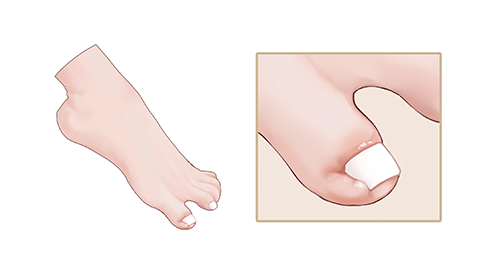
In general, whitening, thickening, and separation of toenails may be caused by aging, external pressure, nail dystrophy, onychomycosis (fungal nail infection), or nail damage due to psoriasis. If discomfort occurs, it is recommended to seek timely medical evaluation and treatment at a正规 hospital. In daily life, maintain clean and dry feet; choose loose, comfortable shoes and socks to avoid compression.
Generally, whitening, thickening, and separation (hollowing) of toenails may be caused by aging, external pressure, nail dystrophy, onychomycosis, or nail damage due to psoriasis. If discomfort occurs, it is recommended to seek timely medical evaluation and treatment at a正规 hospital. Detailed analysis is as follows:
1. Aging
With increasing age, the metabolic rate of the nail plate slows down. Keratin accumulation causes nail thickening, reduced pigment deposition leads to whitening, and atrophy of the tissue beneath the nail may create gaps. Choose loose, breathable shoes and socks; regularly soak feet in warm water and gently trim nails, avoiding excessive filing.
2. External Pressure
Long-term wearing of tight shoes or trauma during exercise can damage the nail plate, impair nutrient supply, and lead to whitening, thickening, and subungual separation (formation of air pockets). Switch to well-fitting, breathable footwear, wear toe protectors during physical activity to prevent repeated compression, and soak feet daily in warm water to promote blood circulation.
3. Nail Dystrophy
Deficiency in nutrients such as vitamin A and calcium affects nail synthesis, resulting in abnormal nail structure. Adjust your diet by consuming more carrots, egg yolks, milk, etc., and take supplements like vitamin A softgel capsules, calcium carbonate D3 tablets, or calcium gluconate oral solution under medical guidance.
4. Onychomycosis (Fungal Nail Infection)
Fungal invasion damages the keratin structure of the nail plate, causing the nail to become white, thickened, and hollowed out, often accompanied by an unpleasant odor. Under a doctor's supervision, topical or oral antifungals such as terbinafine hydrochloride cream, itraconazole capsules, or fluconazole tablets may be used. Keep feet dry and avoid sharing shoes or socks with others.
5. Nail Damage from Psoriasis
Psoriasis affecting the nail bed causes abnormal keratinization of the nail plate, leading to pitting, whitening, thickening, and debris accumulation under the nail. Treatments include calcipotriol ointment, tacrolimus ointment, or acitretin capsules as prescribed. Actively manage the underlying condition and avoid scratching the affected area.
In daily life, maintain clean and dry feet; wear loose, comfortable footwear to prevent compression; eat a balanced diet to ensure adequate nutrition; avoid walking barefoot in public areas to reduce infection risk; and regularly inspect nail condition for early detection and prompt intervention.