


Can herpes or blisters be punctured before applying medication?
Nov 28, 2025
Source: Cainiu Health

Dr. Liu Wenmin
Introduction
In general, herpes blisters should not be punctured before applying medication, whereas water blisters may be drained under specific conditions followed by proper treatment—but both require cautious handling and adherence to professional guidance. Keep the affected area clean and dry, avoiding friction or pressure. Wear loose, breathable clothing to minimize irritation. Wash hands promptly after touching the affected area to prevent cross-infection.
Generally, herpes should not be punctured before applying medication, while blisters under specific conditions may be drained before treatment, but caution must be exercised and professional guidance followed. Detailed analysis is as follows:
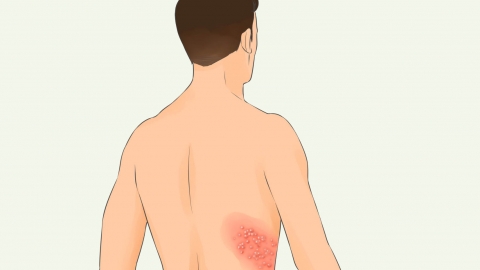
Friction blisters that are large in diameter and interfere with daily activities—such as large blisters caused by shoe friction—can be safely drained if the blister roof remains intact without redness or pus. After disinfection, a sterile needle should be used to make a small hole at the edge for fluid drainage, while preserving the overlying skin to cover the wound. An antibacterial ointment should then be applied to prevent infection. The entire process must strictly follow aseptic techniques and is best performed by a healthcare professional.
Herpes lesions and most blisters should not be punctured. Herpes zoster and herpes simplex are caused by viruses; puncturing can lead to viral spread and worsen infection. Small, scattered blisters, those with broken skin, or infected blisters accompanied by redness, swelling, and pain should not be drained either, as this compromises the skin’s protective barrier and increases the risk of secondary bacterial infection. In such cases, topical application of appropriate medications directly on the surface is sufficient.
Maintain cleanliness and dryness of the affected area, avoiding friction and pressure. Wear loose, breathable clothing to minimize irritation. Wash hands promptly after touching the affected site to prevent cross-infection. Follow a light diet rich in vitamins to support skin healing. If symptoms such as increasing blisters, worsening pain, or pus formation occur, seek medical attention promptly—do not attempt self-treatment arbitrarily.







