


Why hasn't eczema gotten better after more than a year?
Nov 28, 2025
Source: Cainiu Health

Dr. Liu Wenmin
Introduction
Eczema lasting over a year without healing is often associated with factors such as impaired skin barrier, unhealthy lifestyle habits, atopic dermatitis, contact dermatitis, and autoimmune diseases. Prolonged duration can significantly affect quality of life; therefore, it is recommended to seek timely evaluation and accurate diagnosis at the dermatology department of a reputable hospital. In daily life, maintain proper skin moisturization and avoid scratching. Keep a record of diet and contacted substances to help identify potential allergens.
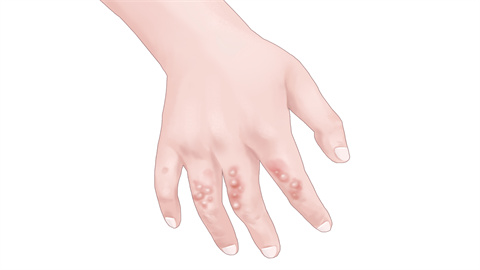
Eczema lasting for over a year without healing is often associated with factors such as impaired skin barrier, unhealthy lifestyle habits, atopic dermatitis, contact dermatitis, and autoimmune diseases. Prolonged eczema can significantly affect quality of life; therefore, it is recommended to seek timely evaluation and accurate diagnosis at the dermatology department of a reputable hospital. Detailed analysis is as follows:
1. Impaired Skin Barrier
Excessive cleansing, frequent friction, or using harsh skincare products can damage the stratum corneum, leading to moisture loss and increased penetration of external irritants, which may trigger recurrent eczema. Use gentle, soap-free cleansers, apply ceramide-containing moisturizers within 3 minutes after washing the face, avoid washing with hot water, and wear loose, cotton clothing.
2. Unhealthy Lifestyle Habits
Chronic sleep deprivation disrupts metabolic rhythms, while high-sugar and high-fat diets exacerbate inflammatory responses. Persistent mental stress also negatively affects skin health, all of which prolong the course of eczema. Maintain regular sleep patterns with 7–8 hours of sleep nightly, follow a light diet low in spicy foods, manage stress through meditation or exercise, and avoid tobacco and alcohol.
3. Atopic Dermatitis
A chronic inflammatory skin condition often presenting with eczematous lesions, atopic dermatitis is linked to genetic and immune abnormalities and tends to relapse frequently. Topical tacrolimus ointment or pimecrolimus cream may be used as prescribed, along with oral cetirizine hydrochloride tablets. Keep indoor humidity between 50% and 60%, and avoid exposure to allergens such as dust mites and pollen.
4. Contact Dermatitis
Long-term exposure to allergens such as nickel, fragrances, and preservatives causes persistent skin irritation and inflammation. If the allergen is not eliminated, eczema will remain difficult to resolve. Identify and avoid contact with suspected allergens. As directed by a physician, use topical hydrocortisone butyrate cream and take oral antihistamines such as fexofenadine hydrochloride or ebastine tablets.
5. Autoimmune Diseases
Conditions such as thyroid dysfunction can lead to immune system imbalances that disrupt skin immunity, resulting in persistent, non-healing eczema, often accompanied by symptoms like fatigue and abnormal weight changes. Treat the underlying disease first—levothyroxine sodium tablets for hypothyroidism, methimazole tablets for hyperthyroidism—while concurrently managing eczema with topical halometasone cream.
In daily life, maintain adequate skin hydration and avoid scratching. Keep a record of food intake and substances contacted to identify potential triggers. Attend regular follow-up visits and adjust treatment plans promptly to support skin recovery.





