What causes black discoloration at the base of the big toe?
Nov 28, 2025
Source: Cainiu Health

Dr. Li Feng
Introduction
In general, black discoloration at the base of the big toe may be caused by dye from socks or shoes, external pressure, onychomycosis (fungal nail infection), paronychia (nail fold inflammation), or diabetic foot. If discomfort occurs, it is recommended to seek timely medical evaluation and treatment at a正规 hospital. In daily life, choose well-fitting, breathable footwear and socks; trim toenails properly, avoiding cutting them too short; and maintain clean, dry feet.
Generally, black discoloration at the base of the big toe may be caused by dye transfer from socks or shoes, external compression, onychomycosis (fungal nail infection), paronychia, or diabetic foot. If discomfort occurs, it is recommended to seek timely medical evaluation and treatment at a正规 hospital. Specific causes are analyzed as follows:
1. Dye Transfer from Socks or Shoes
Dark-colored socks or shoes are prone to fading. With prolonged use, dyes can adhere to the skin or nail surface of the toes, causing black discoloration at the base. Switch promptly to light-colored cotton socks and footwear. Soak feet in warm water and gently wipe the affected area. Avoid wearing low-quality socks or shoes that easily fade.
2. External Compression
Tight footwear or trauma during exercise can cause capillaries at the base of the toe to rupture and bleed, leading to blood accumulation and black discoloration. Wear loose, breathable shoes to reduce foot compression. Apply cold compresses during the acute phase to stop bleeding, and switch to warm compresses later to promote absorption of the hematoma.
3. Onychomycosis
Fungal infection of the nail plate and underlying tissue damages the nail structure, resulting in black discoloration, thickening, and brittleness. Follow medical advice to use terbinafine hydrochloride cream, itraconazole capsules, or fluconazole tablets. Keep feet dry and avoid sharing footwear or socks with others.
4. Paronychia
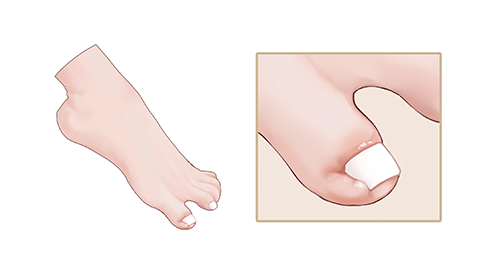
Bacterial infection due to overly short nail trimming or injury leads to inflammation of the nail fold, causing redness, swelling, and pus formation. In later stages, local tissue ischemia and necrosis may result in black discoloration. Under medical guidance, topical mupirocin ointment or oral cephalexin capsules and amoxicillin capsules may be used. Surgical incision and drainage are required if an abscess develops.
5. Diabetic Foot
Diabetes-induced peripheral vascular disease impairs blood circulation in the lower limbs, leading to ischemia and hypoxia in the toes, which manifests as blackened skin and numbness. Strictly control blood glucose levels. Use alprostadil injection, clopidogrel hydrogen sulfate tablets, or cilostazol tablets as prescribed. Severe cases may require lower limb bypass surgery. Avoid foot injuries in daily life.
In daily life, choose well-fitting, breathable footwear and socks; trim toenails properly without cutting too short; maintain clean and dry feet; keep blood sugar stable; and perform regular foot examinations to reduce the risk of abnormal black discoloration.