


Can nail psoriasis be cured?
Nov 29, 2025
Source: Cainiu Health

Dr. Liu Wenmin
Introduction
In general, nail psoriasis is currently difficult to cure completely, but with standardized treatment, symptoms can be effectively controlled and appearance improved. Patients with mild conditions usually respond well to treatment and may experience long-term symptom relief. However, complex cases or delayed treatment may lead to worsening nail damage and increased treatment difficulty. In daily life, it is important to avoid nail trauma, compression, and minimize contact with irritating chemicals.
In general, nail psoriasis is currently difficult to cure completely, but with standardized treatment, symptoms can be effectively controlled and appearance improved. Patients with mild conditions tend to respond well to treatment and may experience long-term symptom remission; however, if the condition is complex or treatment is delayed, nail damage may worsen and treatment becomes more challenging. Detailed analysis is as follows:
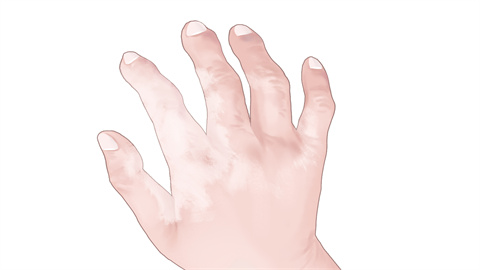
If the condition is mild—manifesting only as pinpoint depressions (pitting) or slight discoloration of the nails—timely treatment using topical medications or phototherapy can gradually restore the nail's appearance. Most patients see significant improvement within several months, with minimal impact on daily life. Continued maintenance therapy helps reduce the frequency of recurrence.
If the condition is severe, with symptoms such as nail thickening, onycholysis (separation from the nail bed), or deformity, especially when associated with cutaneous psoriasis, the treatment course will be longer. In such cases, a combination of oral medications and localized treatments is required. Although complete cure is not possible, this approach can control inflammatory progression, prevent further nail damage, and preserve normal nail function.
For daily care, avoid nail trauma or compression and minimize contact with irritating chemicals. Do not cut nails too short and keep them clean and dry. Maintain a balanced diet rich in protein and vitamins, avoid staying up late, and manage mental stress to help stabilize the condition.


