


Can patients with eczema eat amaranth?
Nov 29, 2025
Source: Cainiu Health

Dr. Liu Wenmin
Introduction
In general, patients with eczema can consume amaranth, as long as intake is moderate. Keep a daily food diary to identify personal trigger foods and strictly avoid them; maintain clean and well-moisturized skin by using gentle, non-irritating moisturizers and bath products; wear loose, breathable cotton clothing to minimize skin friction and irritation; and maintain a comfortable indoor temperature and humidity level.
Generally, patients with eczema can eat amaranth, as long as they consume it in moderation. Here is a detailed explanation:
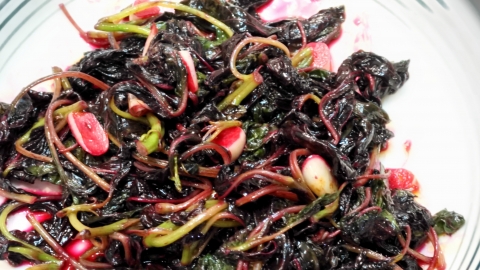
Amaranth is not a common allergenic food and is rich in nutrients such as vitamin C, calcium, and iron, which help replenish energy and strengthen the skin's barrier function. The key to an eczema patient's diet is avoiding foods that are known personal allergens. If a patient has previously consumed amaranth without experiencing allergic reactions such as redness or itching, moderate consumption is not only safe but may also improve skin health and contribute to disease stability by providing essential nutrients. It is recommended to cook amaranth using mild methods and avoid spicy seasonings.
In daily life, keep a food diary to identify and strictly avoid personal trigger foods; maintain clean and well-moisturized skin by using gentle, non-irritating moisturizers and bathing products; wear loose, breathable cotton clothing to minimize skin friction and irritation; maintain appropriate indoor temperature and humidity levels to prevent excessive dryness or moisture; during eczema flare-ups, follow medical advice for medication and avoid scratching affected areas to prevent secondary infections.


