


Can pompholyx blisters be punctured?
Nov 29, 2025
Source: Cainiu Health

Dr. Liu Wenmin
Introduction
If a dyshidrotic blister is large, accompanied by significant swelling and pain, and affects daily activities, it should not be punctured on one's own. In such cases, medical attention is necessary. A healthcare professional should use sterile instruments to manage the blister and apply anti-infective medication to reduce the risk of infection. Self-treatment lacks sterile conditions and makes it difficult to control the depth of intervention, increasing the risk of damaging surrounding healthy skin.
In general, it is not recommended to manually puncture pompholyx blisters, as doing so without proper guidance may easily lead to infection. However, if the blisters are large and significantly affect daily life, they should be managed under professional medical supervision. If in doubt, it is advisable to seek medical consultation promptly. The specific analysis is as follows:
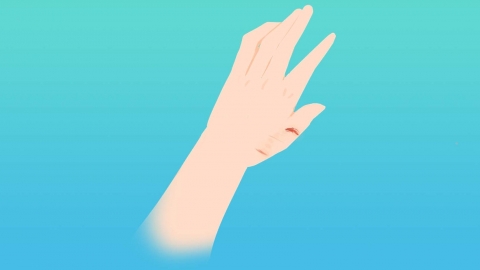
If the pompholyx blisters are small and cause no significant discomfort, self-puncturing increases the risk of infection. Pompholyx typically presents as tiny, rice-sized vesicles. Once ruptured, the exposed skin lesions are prone to bacterial contact, which may result in redness, swelling, or pus formation. Improper care may also prolong healing time and even cause post-inflammatory hyperpigmentation, hindering skin recovery.
If the blisters are large and accompanied by noticeable swelling and pain that interfere with daily activities, self-puncturing should still be avoided. In such cases, medical attention is necessary. Healthcare professionals can safely drain the blisters using sterile instruments and apply anti-infective medications to reduce infection risk. Self-treatment lacks sterile conditions and proper control over the depth of intervention, increasing the likelihood of damaging surrounding healthy skin.
For daily care, maintain clean and dry hands, and avoid contact with irritants. Do not scratch or rub the affected area during a flare-up. If the number of blisters increases or is accompanied by severe itching or pain, seek medical help promptly and use prescribed medications as directed to relieve symptoms and promote healing.




