


What to do if a blister forms on the big toe due to friction
Nov 28, 2025
Source: Cainiu Health

Dr. Liu Wenmin
Introduction
In general, blisters on the big toe may be caused by ill-fitting shoes, excessive physical activity, weakened skin barrier, bacterial infection, or early signs of diabetic foot. It is recommended to seek medical attention promptly, identify the underlying cause, and then improve the condition through general care, medication, or other treatments under a doctor's guidance. In daily life, keep the feet clean and dry, and avoid puncturing unbroken blisters yourself.
Generally, blisters on the big toe may be caused by ill-fitting shoes, excessive physical activity, weak skin barrier, bacterial infection, or early signs of diabetic foot. It is recommended to seek medical attention promptly, identify the underlying cause, and then improve the condition through general care or medication under a doctor's guidance. Specific causes are analyzed as follows:
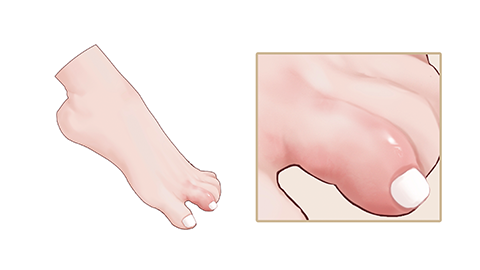
1. Ill-fitting shoes: Shoes that are too tight or have narrow toe boxes can continuously compress and rub against the big toe, causing separation between the epidermis and underlying tissue and resulting in blister formation. Immediately switch to loose, breathable, soft-soled shoes, avoid wearing high heels or pointed-toe shoes, and walk slowly to reduce pressure on the toes.
2. Excessive physical activity: Prolonged exercise such as running or hiking causes repeated friction between the big toe and the inner shoe material, making blisters more likely. Wear professional athletic socks before exercising to reduce friction, soak feet in warm water after exercise to relieve fatigue, and apply anti-friction patches to protect unbroken blisters.
3. Weak skin barrier: Dry feet or thin stratum corneum result in poor abrasion resistance, making blisters easy to form even with minor friction. Apply a gentle moisturizer to the feet regularly, trim toenails properly to avoid being too long or too short, and enhance skin tolerance.
4. Bacterial infection: If a blister breaks and is not treated promptly, bacteria may invade and cause infection, characterized by redness, swelling, pain, and discharge. Patients should follow medical advice to apply topical medications such as mupirocin ointment, fusidic acid cream, or compound polymyxin B ointment, and cover the wound with sterile gauze for protection.
5. Early-stage diabetic foot: Poor blood glucose control reduces skin resistance in the feet, leading to blisters from minor friction and slow healing. Patients should follow medical instructions to use medications such as insulin injection, gliclazide modified-release tablets, or metformin tablets to control blood sugar. Blister management must follow strict aseptic techniques; debridement may be necessary to remove necrotic tissue when needed.
Maintain clean and dry feet daily, and avoid puncturing unbroken blisters yourself. Eat more protein-rich foods such as eggs and milk to promote skin repair. Elevate the affected limb appropriately during rest to improve circulation and accelerate blister healing.





