


What does it mean to have a hard lump in the thigh?
Nov 29, 2025
Source: Cainiu Health

Dr. Liu Wenmin
Introduction
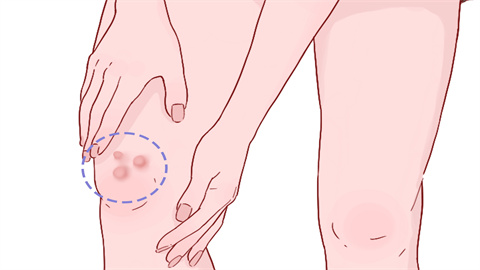
In general, a hard lump in the thigh may be caused by factors such as traumatic hematoma, reactive lymph node hyperplasia, sebaceous cyst, lipoma, or furuncle. If discomfort symptoms occur, it is recommended to seek timely medical evaluation and treatment at a正规 hospital. Maintain good hygiene of the thigh skin in daily life, wear loose and breathable clothing to reduce friction, and avoid squeezing the lump.
Generally, a hard lump in the thigh may be caused by trauma-induced hematoma, reactive lymph node hyperplasia, sebaceous cyst, lipoma, or furuncle. If discomfort occurs, it is recommended to seek timely medical evaluation and treatment at a正规 hospital. Specific analysis is as follows:
1. Traumatic Hematoma
When the thigh suffers impact or other injuries, subcutaneous blood vessels may rupture and bleed, leading to blood accumulation (hematoma) that feels firm. Apply cold compresses within the first 48 hours to stop bleeding, then switch to warm compresses after 48 hours to promote absorption. Avoid pressing on the affected area and reduce physical activity.
2. Reactive Lymph Node Hyperplasia
Infections in the lower limbs or perineal region can inflame the lymph nodes in the thigh, causing them to swell and harden. It's important to actively treat the underlying infection, maintain a light diet, drink plenty of water, ensure adequate rest, and avoid staying up late to reduce bodily stress.
3. Sebaceous Cyst
A blocked sebaceous gland duct in the thigh prevents sebum from draining, resulting in an accumulation that forms a cyst with a relatively firm texture. If there is no infection, observation may be sufficient. In case of infection, topical mupirocin ointment and oral cephalexin capsules or amoxicillin capsules may be used as directed by a physician. Recurrent infections may require surgical excision of the sebaceous cyst.
4. Lipoma
Abnormal fat metabolism leads to clustering of fat cells, forming a mass. Most lipomas are soft, but some may feel firmer, and they are typically painless. Small, asymptomatic lipomas usually do not require treatment. Surgical removal may be considered if the lipoma grows larger or causes discomfort. Postoperatively, keep the wound clean and dry.
5. Furuncle (Boil)
Infection of hair follicles and surrounding tissues by *Staphylococcus aureus* causes acute suppurative inflammation, which initially presents as a hard nodule. Topical ichthammol ointment and oral cefuroxime axetil tablets or levofloxacin hydrochloride tablets may be prescribed. Once abscess formation occurs, incision and drainage of the furuncle are required.
Maintain good hygiene of the thigh skin and wear loose, breathable clothing to minimize friction. Avoid squeezing lumps to prevent infection spread. Eat a light, non-spicy diet and maintain regular sleep patterns to strengthen immunity. Seek prompt medical attention if the lump increases in size, becomes painful, or shows signs of pus formation.





