


What causes a large dark red patch on the inner thigh, and what should I do about it?
Nov 29, 2025
Source: Cainiu Health

Dr. Liu Wenmin
Introduction
A large area of dark red discoloration on the inner thigh may be caused by friction, hormonal changes, eczema, tinea cruris (jock itch), or contact dermatitis. This condition can be improved by reducing friction, adjusting skincare routines, and medical treatment. If the redness spreads, itching worsens, or scaling occurs, prompt medical attention is necessary. Prolonged walking or wearing tight clothing can lead to repeated friction on the inner thighs, causing local skin irritation.
A large area of dark red discoloration on the inner thigh may be caused by friction, hormonal changes, eczema, tinea cruris (jock itch), or contact dermatitis. This can be improved by reducing friction, adjusting skin care, and medical treatment. If the redness spreads, itching worsens, or scaling occurs, prompt medical attention is recommended.
1. Friction irritation: Prolonged walking or wearing tight clothing can cause repeated rubbing on the inner thigh, leading to localized skin congestion and hyperpigmentation, resulting in dark red patches. It is recommended to wear loose, breathable cotton clothing, avoid strenuous physical activity to minimize friction, and keep the area clean and dry.
2. Hormonal changes: Fluctuations in hormone levels during specific periods such as puberty or pregnancy can increase melanocyte activity, causing hyperpigmentation that appears dark red on areas like the inner thigh. It is advised to maintain proper local moisturization, avoid excessive sun exposure, and follow a light, balanced diet.
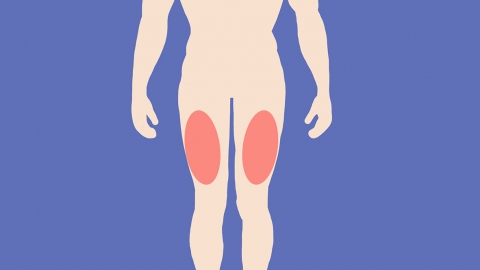
3. Eczema: Inflammation triggered by moisture or allergens in the skin leads to symptoms such as redness, itching, and pigmentation; scratching exacerbates the dark red appearance. Under medical guidance, topical treatments such as desonide cream, calamine lotion, and oral loratadine tablets may be used to relieve symptoms.
4. Tinea cruris (jock itch): A fungal infection affecting the groin and inner thighs causes ring-shaped red rashes and scaling. Post-inflammatory pigmentation results in dark red discoloration, accompanied by significant itching. Under medical supervision, antifungal medications such as terbinafine hydrochloride cream, itraconazole capsules, and bifonazole cream can be used to alleviate discomfort.
5. Contact dermatitis: Exposure to allergens such as synthetic fabrics or personal care products triggers localized allergic inflammation, causing swelling, pain, and dark red pigmentation. As directed by a physician, patients may use hydrocortisone butyrate cream, cetirizine tablets, or mupirocin ointment to improve symptoms.
Maintain cleanliness and dryness of the inner thigh area, wear loose and breathable clothing, avoid suspected allergens, follow a mild diet avoiding spicy and irritating foods, and refrain from scratching when itchy to support skin recovery.



