


How to Use Rabies Vaccine and Anti-Rabies Serum
Dec 01, 2025
Source: Cainiu Health

Dr. Liu Wenmin
Introduction
When using rabies vaccine and antirabies serum, the following procedures should be followed: perform an allergy test in advance, inject according to the specified dosage, select the correct injection site, use in combination with the rabies vaccine, and monitor post-injection reactions. Before administration, draw a small amount of serum and perform an intradermal injection on the inner side of the recipient's forearm, then observe for 20 minutes. If there is no abnormal reaction such as redness, swelling, or itching at the injection site, the serum may be used normally.
Under normal circumstances, the use of rabies vaccine and rabies antiserum should follow these steps: performing an allergy test in advance, injecting according to standard dosage, selecting the correct injection site, using in combination with the rabies vaccine, and monitoring post-injection reactions. A detailed analysis is as follows:
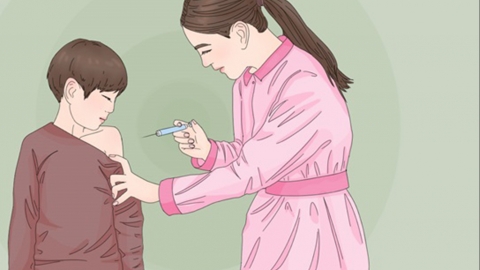
1. Perform allergy testing in advance: Before administration, a small amount of serum should be injected intradermally into the inner side of the recipient's forearm, followed by a 20-minute observation period. If there is no redness, swelling, itching, or other abnormal reaction at the injection site, the serum can be used normally. If an allergic reaction occurs, desensitization injections should be administered or an alternative preparation used.
2. Administer according to standard dosage: The dose of antiserum must be calculated based on the recipient’s body weight, with a specific dose per kilogram. Dosage should not be arbitrarily increased or decreased. Insufficient dosage may compromise preventive efficacy, while excessive dosage may increase the risk of adverse reactions. Accurate calculation and administration must be performed by trained medical professionals.
3. Select the correct injection site: The antiserum is primarily infiltrated around the wound, delivering the medication into surrounding tissues to form a protective barrier that prevents viral spread. Any remaining dose should be administered intramuscularly at a site distant from the rabies vaccine injection (e.g., the lateral thigh muscle) to avoid potential interference between the two agents.
4. Use in combination with rabies vaccine: The antiserum must be used together with the rabies vaccine. Vaccination is typically initiated within 24 hours after exposure, simultaneously with antiserum administration. The antiserum rapidly neutralizes virus present at the wound site, while the rabies vaccine stimulates the body to produce long-term immune antibodies. Together, they enhance overall preventive effectiveness.
5. Monitor post-injection reactions: After injection, the recipient should remain under observation at the clinic for 30 minutes and only leave if no adverse reactions occur. At home, if symptoms such as local redness, pain, fever, or rash develop, mild cases may resolve spontaneously, but severe reactions require prompt medical attention. Self-medication should be avoided.
Rabies antiserum and vaccine must be administered at正规 medical facilities by qualified healthcare personnel. The post-exposure prophylaxis protocol must be strictly followed without delay in vaccination. After injection, keep the injection site clean and dry to prevent infection, ensure adequate rest, and avoid strenuous physical activity.




