


Having had hepatitis C for 30 years, do I still need treatment?
Dec 02, 2025
Source: Cainiu Health

Dr. Huang Yuhong
Introduction
Long-term infection with the hepatitis C virus leads to persistent liver damage. Repeated necrosis of liver cells gradually results in fibrosis, which may ultimately progress to cirrhosis. Patients with cirrhosis may develop serious complications such as ascites, gastrointestinal bleeding, and hepatic encephalopathy, and may even progress to liver cancer. Even in the absence of obvious symptoms, the virus may continue to replicate and damage the liver, increasing health risks.
Generally, even if hepatitis C has gone undetected for 30 years, active treatment is still necessary. If there are any abnormal symptoms or test results, prompt medical attention is recommended. The detailed explanation is as follows:
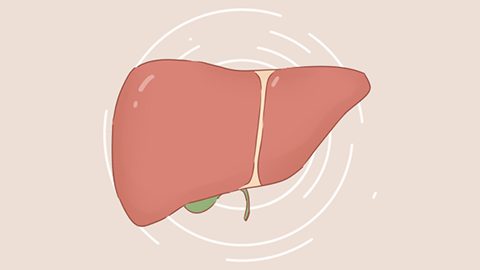
Long-term hepatitis C virus infection leads to continuous liver damage. As liver cells repeatedly die, the liver gradually develops fibrosis and may eventually progress to cirrhosis. Patients with cirrhosis may develop serious complications such as ascites, gastrointestinal bleeding, hepatic encephalopathy, and even liver cancer. Even in the absence of obvious symptoms, the virus may continue to replicate and damage the liver, increasing health risks.
Modern medicine offers several highly effective antiviral medications, such as sofosbuvir/velpatasvir tablets, which directly inhibit viral replication. Most patients can achieve viral clearance, with cure rates exceeding 95%. Prior to treatment, liver fibrosis should be assessed through blood tests or elastography ultrasound. Patients with cirrhosis require regular screening for liver cancer.
Hepatitis C patients must strictly abstain from alcohol to avoid further burdening the liver. Their diet should include adequate high-quality protein and limit high-fat foods. Regular follow-up tests—including liver function, viral load, and liver imaging—are essential to monitor disease progression promptly.




