Foods highest in glutamine
Dec 03, 2025
Source: Cainiu Health

Dr. Huang Yuhong
Introduction
There is no such thing as "foods with the highest glutamine content." Foods rich in glutamine mainly include lean meats, eggs, dairy products, legumes and soy products, and nuts. Glutamine is an important amino acid in the human body, and proper intake can help meet nutritional needs. Individuals with liver or kidney diseases, metabolic disorders, or similar conditions should adjust their intake under professional guidance and seek medical attention promptly if necessary.
There is no such thing as the "food with the highest glutamine content." Foods relatively rich in glutamine mainly include lean meats, eggs, dairy products, legumes and soy products, and nuts. Glutamine is an important amino acid for the human body, and reasonable intake can help meet nutritional needs. Individuals with liver or kidney diseases, metabolic disorders, or similar conditions should adjust their intake under professional guidance and seek medical attention when necessary.
1. Lean meats: Lean meats such as pork, beef, and lamb are rich in glutamine and high-quality protein, providing a wide range of essential amino acids. Cooking methods like steaming, boiling, and stewing are recommended to minimize nutrient loss, making these options ideal for daily supplementation.
2. Eggs: Egg whites from chicken, duck, and goose eggs contain relatively high levels of glutamine, while yolks provide various nutrients. Overall, eggs offer balanced nutrition. Moderate daily consumption helps supply glutamine along with essential vitamins and minerals.
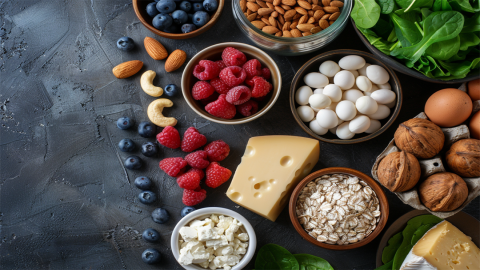
3. Dairy products: Milk, yogurt, and cheese are excellent sources of glutamine. Yogurt, being fermented, is easier to digest and absorb, making it suitable for individuals with weak digestive function. These products offer a convenient option for daily glutamine supplementation.
4. Legumes and soy products: Soybeans, mung beans, tofu, soy milk, and other legume-based foods are rich in plant-derived glutamine. They also contain dietary fiber and plant proteins, supporting both nutritional needs and gut health, making them suitable for people of all ages.
5. Nuts: Nuts such as walnuts, almonds, and cashews contain glutamine and healthy fats. Moderate consumption can contribute to nutritional intake, but due to their high caloric content, portion control is important to prevent excessive calorie accumulation.
A balanced diet is essential—avoid overconsuming any single food. Combine these foods with vegetables and whole grains to ensure comprehensive nutrition. Prefer light cooking methods and minimize frying or pickling. Adjust portion sizes according to individual health status to promote efficient nutrient absorption and maintain metabolic balance.