


Is taking cough medicine for a month harmful to the body?
Dec 04, 2025
Source: Cainiu Health

Dr. Ren Yi
Introduction
If a mild traditional Chinese medicine (e.g., Chuanbei Pipa Syrup) or a single-ingredient expectorant (e.g., ambroxol) is taken, and the use is indicated according to a doctor's diagnosis, taking the medication for one month at the prescribed dose usually causes minimal harm to the body. These drug ingredients are relatively safe, and short-term, proper use rarely leads to serious adverse reactions, while also helping to control cough symptoms.
Generally, when mild cough medications are used as directed by a physician and are appropriate for the condition, the potential harm is relatively small. However, self-medicating with potent drugs or using inappropriate treatments may cause significant harm. If in doubt, it is advisable to consult a healthcare professional in advance. A detailed analysis is as follows:
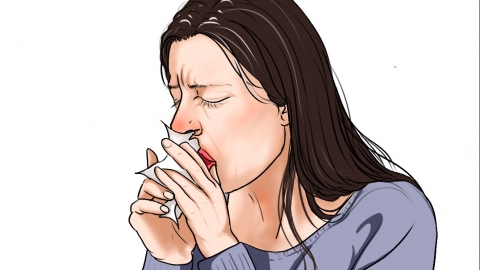
If the medication taken is a mild traditional Chinese medicine (e.g., Loquat Cough Syrup) or a single-ingredient expectorant (e.g., ambroxol), and its use aligns with medical diagnosis and indications (such as persistent cough caused by chronic bronchitis), taking it for a month at the prescribed dose usually causes minimal harm to the body. These medications have relatively safe components, and short-term, standardized use rarely leads to serious adverse reactions, while effectively helping control cough symptoms.
However, if strong cough suppressants containing ingredients such as poppy husk or codeine are taken without medical guidance, or if the medication is inappropriate for the underlying condition (for example, using antitussives to treat cough caused by bacterial infection), continuous use for a month may cause considerable harm. Long-term use of potent drugs can easily lead to dependency and may suppress respiration. Inappropriate medication not only fails to relieve cough but may also mask the underlying illness, potentially leading to problems such as liver and kidney damage.
Before taking cough medications, the underlying cause should be clearly identified to avoid blind, prolonged use. Regular follow-up visits allow doctors to evaluate treatment effectiveness and physical condition, enabling timely adjustments to the treatment plan. If symptoms such as nausea, dizziness, or discomfort in the liver area occur, discontinue the medication immediately and seek medical evaluation to rule out adverse drug reactions.



