


Can wind-cold感冒 (common cold) cause yellow phlegm?
Dec 08, 2025
Source: Cainiu Health

Dr. Ren Yi
Introduction
In general, yellow phlegm is usually not present during the early stage of a cold caused by wind-cold. However, if the condition progresses with secondary infection or transforms into heat, yellow phlegm may appear. In daily care, it's important to stay warm and drink plenty of warm water or ginger brown sugar tea during the initial phase of wind-cold感冒 to help dispel the cold pathogen. If yellow phlegm develops, reduce consumption of spicy and greasy foods and maintain good indoor ventilation.
Generally, yellow phlegm is not present in the early stage of a cold caused by wind-cold invasion. However, if the condition progresses and develops into a secondary infection or transforms from cold to heat, yellow phlegm may appear. The detailed analysis is as follows:
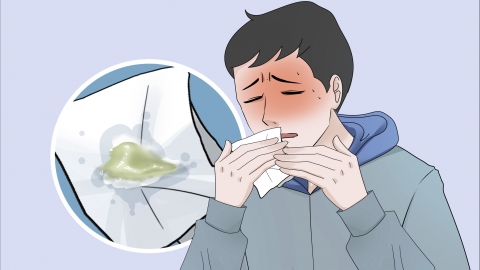
In the initial stage of wind-cold感冒 (common cold), the main cause is invasion by cold pathogens. Respiratory secretions are typically white and watery. Other symptoms may include aversion to cold, mild fever, nasal congestion with clear runny nose, and a thin white tongue coating. At this stage, the respiratory mucosa is stimulated by cold pathogens, resulting in thin secretions without significant signs of inflammation; therefore, yellow phlegm does not occur.
If wind-cold感冒 is not properly managed in time, the cold pathogen may gradually transform into heat, or a bacterial infection may develop concurrently. This leads to increased respiratory inflammation and a change in the color of secretions, potentially resulting in yellow phlegm. Additional symptoms may include sore and swollen throat, increased fever, and a yellow tongue coating. These indicate that the condition has evolved, requiring an adjusted treatment approach.
In daily care, during the early stage of wind-cold感冒, it is important to stay warm, drink plenty of warm water, or consume ginger and brown sugar tea to help expel the cold pathogen. If yellow phlegm appears, reduce intake of spicy and greasy foods and ensure indoor ventilation. Additionally, ensure adequate rest and avoid fatigue to support recovery and reduce the risk of further progression of the illness.


