


Can you still eat frozen clams?
Dec 08, 2025
Source: Cainiu Health

Dr. Huang Yuhong
Introduction
In general, whether frozen clams are still edible depends on their condition prior to freezing and the duration of freezing. If in doubt, it is advisable to consume them with caution. Frozen clams should be individually sealed and stored separately from other ingredients to prevent flavor transfer and cross-contamination. After each use, promptly reseal any remaining portion and return it to the freezer as quickly as possible.
In general, whether frozen clams are still edible depends on the condition of the clams before freezing and the duration of freezing. If in doubt, it is recommended to consume them cautiously. The detailed analysis is as follows:
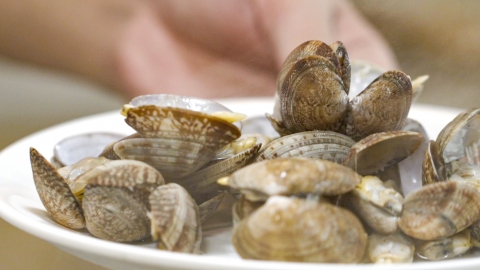
If the clams were alive and fresh before freezing and have been kept consistently at -18°C or below during the freezing process, they are perfectly safe to eat after short-term freezing. In this case, the clam meat will not spoil; after thawing, thoroughly rinse out any sand with clean water, then cook thoroughly. This preserves their tender texture and nutritional value, posing no adverse effects on health.
However, if the clams were already dead before freezing or showed signs of spoilage such as stickiness, unpleasant odor, or soft, mushy texture, they should not be consumed even after freezing. Even under low-temperature storage, freezing cannot inhibit bacteria that have already developed. Once thawed, these bacteria can rapidly multiply, and eating such clams may easily cause gastrointestinal discomfort, including symptoms like abdominal pain and diarrhea.
Frozen clams should be individually sealed and stored separately from other ingredients to prevent flavor transfer and cross-contamination. After each use, promptly reseal any remaining portion and return it to the freezer immediately. For thawing, it's best to place the clams in the refrigerator for slow thawing. Avoid repeated freezing and thawing cycles, which can damage the texture and nutritional quality of the meat and increase the risk of bacterial growth.


