


Can raw chicken blood be eaten uncooked?
Dec 09, 2025
Source: Cainiu Health

Dr. Huang Yuhong
Introduction
In general, raw chicken blood should not be consumed uncooked. When purchasing chicken blood, choose products that are bright red in color, firm in texture, and free of unpleasant odors; avoid those that appear dark in color or feel sticky to the touch. During cooking, ensure thorough heating until fully cooked—methods such as boiling in soup or stir-frying are recommended—to achieve a safe internal temperature.
Generally speaking, raw chicken blood should not be consumed uncooked. The detailed explanation is as follows:
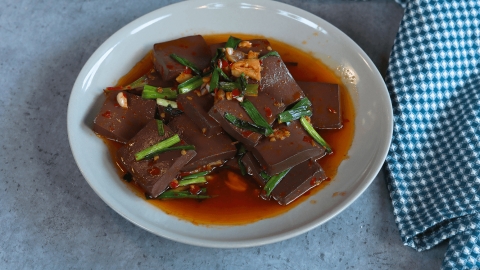
Raw chicken blood may carry pathogenic bacteria such as Salmonella and E. coli, as well as parasite eggs. Consuming it directly can easily lead to gastrointestinal infections, causing symptoms like nausea, vomiting, abdominal pain, and diarrhea. In severe cases, fever or dehydration may occur. Blood provides an ideal environment for bacterial growth; even fresh chicken blood cannot completely avoid microbial contamination. Only thorough cooking at high temperatures can eliminate these harmful agents and ensure food safety.
When purchasing chicken blood, choose products that are bright red in color, firm in texture, and free of unpleasant odors. Avoid those that appear dark in color or feel sticky to the touch. During cooking, make sure the chicken blood is thoroughly heated until fully cooked—methods such as boiling in soup or stir-frying are recommended—to ensure the internal temperature reaches a safe level. Uncooked chicken blood should be sealed and stored in the refrigerator, and kept no longer than one day. Frozen chicken blood should be consumed promptly after thawing and should not be repeatedly frozen and thawed, to prevent bacterial growth and potential health risks.




