


Can pink abalone be eaten?
Dec 10, 2025
Source: Cainiu Health

Dr. Huang Yuhong
Introduction
Naturally pink abalone is fresh, free of abnormalities, and safe to eat, whereas pink abalone that has been dyed or spoiled should not be consumed. Some abalone varieties naturally have a pink hue due to pigment deposition in the flesh, which is a normal phenomenon. Such abalone, if lively and plump, with firm, elastic texture, no fishy or unpleasant odor, and intact, undamaged internal organs, can be safely eaten after thorough washing and proper cooking.
Under normal circumstances, naturally pink abalone that is fresh and shows no signs of abnormalities can be safely consumed. However, pink abalone that has been artificially colored or spoiled should not be eaten. If in doubt, it is advisable to consult a healthcare professional beforehand. Detailed analysis is as follows:
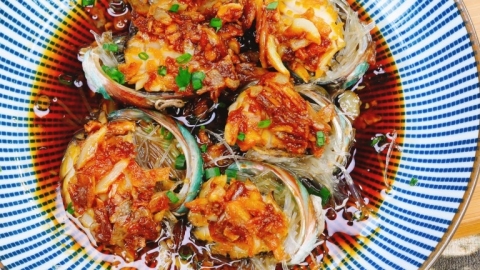
Some abalone species are naturally pink due to pigment deposition in the flesh, which is a normal phenomenon. Such abalone, if lively, plump, firm, and elastic in texture, free of foul odor, and with intact internal organs without damage, can be safely consumed after thorough cleaning and complete cooking.
However, if the pink color appears unnaturally bright, or if there is color fading or a slimy surface, the abalone may have undergone artificial coloring. If the pink abalone exhibits signs of spoilage such as rotting flesh, stickiness, or a strong unpleasant odor, it is no longer safe to eat and may cause gastrointestinal discomfort if consumed.
When selecting pink abalone, carefully examine whether the color appears natural and whether the flesh is fresh. Thoroughly clean out the internal organs and impurities before cooking, and ensure the abalone is fully cooked. If symptoms such as abdominal pain or vomiting occur after consumption, stop eating immediately and seek medical attention.



