


What is glucose in kidney function?
Jun 04, 2026
Source: Cainiu Health

Dr. Yang Guang
Introduction
In general, “glucose in renal function” typically refers to urinary glucose, reflecting the kidneys’ ability to filter and reabsorb blood glucose. If test results are abnormal, prompt medical consultation is recommended. In daily life, sugar intake should be managed appropriately—limit excessive consumption of sweets and refined staple foods—and maintain a light, balanced diet. Engage consistently in moderate aerobic exercise to stabilize metabolic function.
Generally, “glucose in renal function tests” refers to urinary glucose, reflecting the kidneys’ ability to filter and reabsorb glucose from the blood. If test results are abnormal, prompt medical consultation is recommended. A detailed analysis follows:
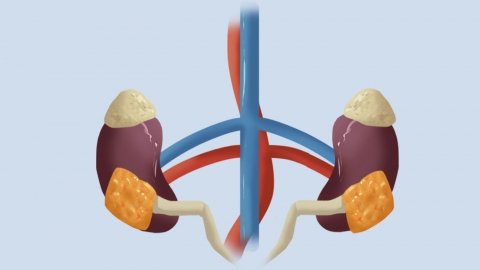
In healthy individuals, the kidneys fully reabsorb glucose from the bloodstream; thus, only trace amounts of glucose appear in urine, and test values fall within the normal reference range. When blood glucose concentration exceeds the renal threshold for reabsorption, excess glucose cannot be reclaimed by the renal tubules and is excreted in the urine—leading to elevated urinary glucose levels. Transient increases in urinary glucose may occur after short-term excessive intake of high-sugar foods, intense physical exercise, or emotional stress. Persistent urinary glucose abnormalities, however, may indicate underlying conditions such as insulin secretion disorders or renal tubular damage, which impair glucose metabolism and tubular reabsorption.
In daily life, it is essential to manage sugar intake appropriately—limiting excessive consumption of sweets and refined carbohydrates—and maintaining a light, balanced diet. Engaging in regular, moderate aerobic exercise helps stabilize metabolic function, while consistent sleep patterns help prevent metabolic disturbances. Cultivating the habit of drinking water regularly supports systemic circulation and metabolism. Additionally, routine screening for kidney function is advised to monitor changes in metabolic and renal health promptly.






