


Can noise-induced hearing loss be reversed?
Jun 22, 2026
Source: Cainiu Health

Dr. Li Feng
Introduction
In general, whether noise-induced hearing loss can recover depends on the severity of the hearing damage. If you experience any discomfort or symptoms, seek medical attention promptly. In daily life, try to avoid high-decibel noisy environments and wear protective equipment to block noise exposure. Maintain a regular sleep schedule and a positive mental state; avoid staying up late and excessive fatigue to reduce the burden on the auditory nerves.
Generally, whether noise-induced hearing loss can recover depends on the severity of the hearing damage. If you experience any discomfort, it is advisable to seek medical attention promptly. A detailed analysis follows:
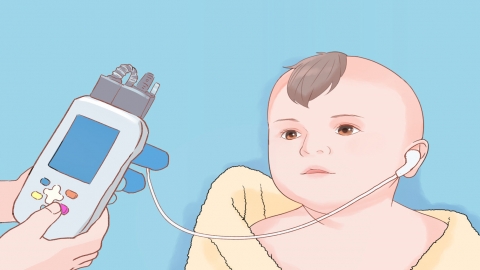
Mild hearing impairment caused by brief noise exposure can often resolve spontaneously. This type of injury results only in temporary fatigue of the auditory nerve, without causing structural damage to the auditory organs. Symptoms commonly include mild tinnitus or a sensation of ear fullness. Once removed from the noisy environment, auditory function typically recovers gradually, leaving no permanent hearing deficits.
Severe hearing impairment—resulting either from prolonged exposure to high-decibel noise or from sudden intense noise—cannot be fully reversed. Continuous noise exposure damages the hair cells in the cochlea; since these cells cannot regenerate naturally once injured, permanent hearing loss ensues. Affected individuals may experience persistent tinnitus and reduced auditory sensitivity.
In daily life, strive to avoid high-decibel noisy environments and wear appropriate hearing protection to block noise exposure. Maintain regular sleep patterns and a positive mental state; avoid staying up late or excessive fatigue to reduce strain on the auditory nerves. Limit headphone use, lower device volume levels, and undergo periodic hearing assessments to safeguard your auditory health.



