


What Should I Do If I Have a Fever?
Aug 19, 2026
Source: Cainiu Health

Dr. Ren Yi
Introduction
Fever can be managed through various approaches, including optimizing the living environment, providing appropriate daily care, applying physical cooling methods, taking antipyretic medications rationally, and closely monitoring bodily changes. The specific management strategy should be selected based on body temperature and mental status; prompt medical attention is required if high fever persists and mental status deteriorates.
1. Optimize the living environment: Ensure adequate room ventilation during fever; maintain a comfortable indoor temperature, and avoid excessive bundling or covering with heavy blankets.
Fever can be managed through environmental adjustments, proper daily care, physical cooling methods, appropriate use of antipyretic medications, and close monitoring of bodily changes. The specific approach should be selected based on body temperature and mental status; if high fever persists and mental condition deteriorates, seek medical attention promptly.
1. Adjust the living environment: Ensure good ventilation in the room during fever. Maintain a comfortable indoor temperature and avoid sealing the room or covering with heavy blankets. Adjust clothing according to personal sensations of warmth or cold to facilitate heat dissipation; “sweating it out” by over-bundling may cause excessive heat retention and further elevate body temperature. Create a quiet resting space, minimizing noise and bright light to conserve the patient’s energy.
2. Provide appropriate daily care: Ensure adequate rest during fever and minimize physical activity to reduce energy consumption. Choose light, easily digestible foods to ease gastrointestinal burden. Drink warm water frequently in small amounts to replenish lost fluids and promote elimination of metabolic waste. Avoid greasy and cold foods, and adjust meal timing and content according to the patient’s current condition.
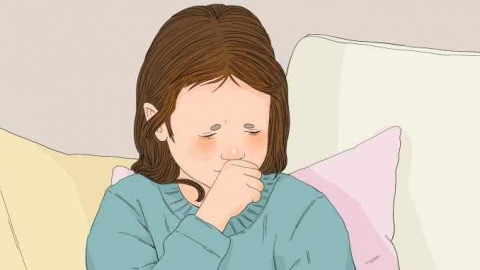
3. Physical cooling measures: If fever is mild and mental status remains stable, gently wipe the forehead, axillae, and groin areas with lukewarm water to promote heat loss via evaporation. Do not use alcohol for skin wiping, as its components may be absorbed systemically. Discontinue wiping immediately if chills or shivering occur; instead, ensure adequate warmth and recheck temperature to monitor changes.
4. Appropriate use of antipyretic medications: When fever is elevated and discomfort is significant, administer antipyretics according to age and weight, strictly adhering to recommended dosing intervals. Avoid concurrent use of multiple antipyretic agents to prevent overdose. Antipyretics do not produce immediate results—allow sufficient time for the medication to take effect. Record the time of administration and closely observe subsequent changes in body temperature.
5. Close monitoring of physical changes: Measure temperature regularly and observe facial appearance, respiration, and mental status; watch for symptoms such as vomiting or seizures. If fever recurs rapidly after initial reduction with medication, or if mental alertness declines significantly, do not delay seeking professional medical evaluation. Document temperature fluctuations and associated symptoms to assist clinicians in accurately assessing disease progression.
Even after fever subsides, continue to prioritize rest, promptly change sweat-soaked clothing, maintain appropriate warmth, and avoid going outdoors immediately—especially into drafts. Gradually resume normal eating habits to support recovery and stabilization of bodily functions.



