


Does periodontal disease require tooth extraction?
Sep 02, 2026
Source: Cainiu Health

Dr. Liu Chao
Introduction
Not all cases of periodontal disease require tooth extraction; most patients with mild disease can retain their natural teeth through standardized treatment. Extraction is considered only for severely mobile teeth with complete alveolar bone resorption. If a tooth becomes loose to the extent that chewing is impossible or if there are recurrent episodes of suppuration and pain, prompt medical evaluation is essential to assess whether the tooth can be retained.
Not all cases of periodontal disease require tooth extraction; most patients with mild disease can retain their natural teeth through standardized treatment. Extraction is considered only for severely mobile teeth with complete alveolar bone loss. If a tooth becomes loose to the extent that chewing is impossible or if it repeatedly becomes abscessed and painful, prompt medical evaluation is essential to assess whether the tooth can be preserved.
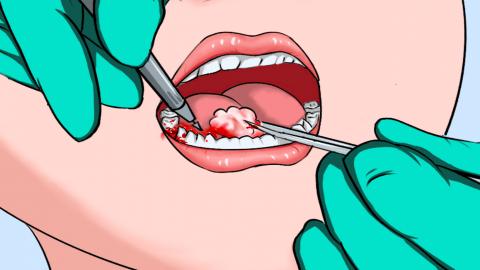
In mild periodontal disease, symptoms are limited to gingival redness and swelling, with minimal bleeding upon probing and little alveolar bone loss; teeth remain stable. Timely professional cleaning (scaling) and root planing effectively remove dental plaque and calculus, thereby controlling local inflammation. Combined with consistent daily oral hygiene practices, periodontal tissues can gradually recover, enabling long-term retention of natural teeth and preservation of normal masticatory function.
In advanced periodontal disease, extensive alveolar bone loss occurs, resulting in severe tooth mobility and inability to withstand functional chewing forces. Recurrent periodontal swelling and purulent discharge are common. Persistent infection acts as a reservoir, damaging adjacent periodontal tissues and compromising the health of neighboring teeth. Teeth with no remaining restorative or functional value should be extracted promptly to halt disease progression; subsequent prosthetic rehabilitation can restore occlusion and function.
Maintain regular oral hygiene habits and schedule periodic periodontal maintenance visits. Adopt a bland diet and avoid hard or irritating foods to stabilize the periodontal condition of remaining teeth and reduce the risk of periodontal disease recurrence.


