


Is neck pain cervical spondylosis?
Sep 04, 2026
Source: Cainiu Health

Dr. Chen Jian
Introduction
Neck pain is not necessarily caused by cervical spondylosis; it can also result from muscle strain, “sleeping wrong” (acute torticollis), or exposure to cold. In addition to pain, cervical spondylosis often presents with symptoms such as numbness in the arms and dizziness. Therefore, cervical organic disease cannot be diagnosed based solely on neck pain. If neck pain progressively worsens and is accompanied by limb numbness or weakness, prompt medical evaluation and diagnostic assessment are essential.
Neck pain is not always caused by cervical spondylosis. Muscle strain, “sleeping wrong” (acute torticollis), or exposure to cold can also trigger neck pain. In contrast, cervical spondylosis typically presents not only with pain but also with additional symptoms such as numbness in the arms and dizziness. Therefore, neck pain alone is insufficient to diagnose organic structural pathology of the cervical spine. If neck pain progressively worsens and is accompanied by limb numbness or weakness, prompt medical evaluation is essential.
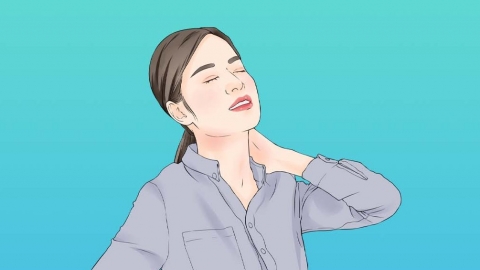
Spending prolonged periods in a forward-head, seated posture—especially while using electronic devices—keeps the neck muscles under sustained tension, predisposing individuals to muscle strain and resulting in aching, sore, or tight discomfort. This type of issue falls under soft-tissue injury, with no structural abnormality involving the bones or intervertebral discs. Similarly, acute neck pain following “sleeping wrong” or exposure to cold results from localized muscle spasm and contraction; in most cases, such pain resolves rapidly with rest and conservative care.
Cervical spondylosis involves structural changes—such as disc degeneration or vertebral alterations—that compress surrounding neural or vascular structures. Beyond neck pain, it commonly causes upper-limb numbness, dizziness, and other neurological symptoms. For muscle-related neck pain, management focuses primarily on rest and local heat application. In contrast, treatment for cervical spondylosis must be individualized based on disease severity and may include physical therapy or other clinical interventions. Blind massage or manipulative “bone-setting” techniques should be avoided.
Adopt proper sitting posture daily and reduce time spent looking down at electronic devices. Choose a pillow of appropriate height for sleeping, keep the neck warm, and perform regular shoulder-and-neck stretches to relieve sustained muscular tension—thereby decreasing the frequency of neck pain episodes.


