


Is cupping therapy effective for cervical spondylosis?
Sep 04, 2026
Source: Cainiu Health

Dr. Chen Jian
Introduction
Cupping therapy can only alleviate muscle soreness and discomfort caused by cervical spondylosis; it cannot reverse organic changes such as intervertebral disc degeneration or bony alterations. As an adjunctive physical therapy, cupping is not a curative treatment for cervical spondylosis. For individuals with severe nerve compression, blind cupping may delay proper diagnosis and treatment. If neck pain is accompanied by numbness or weakness in the arms, prompt medical consultation and standardized evaluation and management are essential.
Cupping therapy can only alleviate muscle soreness and discomfort caused by cervical spondylosis; it cannot repair organic changes in intervertebral discs or bone tissue. As an auxiliary physical therapy, cupping cannot cure cervical spondylosis. For individuals with severe nerve compression, blind application of cupping may delay proper diagnosis and treatment. If neck pain is accompanied by numbness or weakness in the arms, prompt medical consultation and standardized evaluation and management are essential.
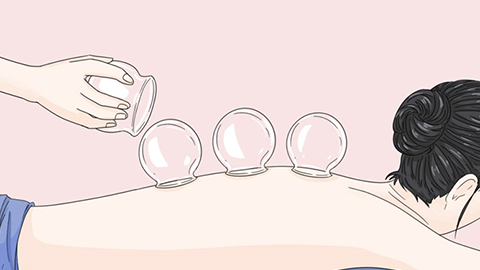
Cupping exerts negative pressure on the shoulder and neck region, thereby enhancing superficial soft-tissue blood circulation, relaxing tense or spastic muscles, and relieving soreness and stiffness resulting from muscular overuse. In cases of cervical-type spondylosis, cupping may provide temporary relief from discomfort. However, this modality cannot reduce herniated intervertebral discs, eliminate osteophytes (bone spurs), or reverse structural pathological changes already present within the cervical spine.
Cervical spondylosis encompasses multiple subtypes; those involving nerve root compression or spinal cord involvement are not suitable for management by cupping alone. For neck and shoulder discomfort primarily attributable to muscular strain, cupping may be used moderately as part of physical therapy—provided frequency and duration are carefully controlled. When neurological compression symptoms arise, management must integrate imaging findings and employ evidence-based interventions such as pharmacotherapy and rehabilitation exercises—not prolonged reliance on cupping.
In daily life, minimize prolonged forward-head posture and extended sitting. Perform regular neck and shoulder mobility exercises. Use a pillow of appropriate height while sleeping, maintain warmth around the neck and shoulders, avoid sustained muscle tension, and thereby reduce recurrence of cervical discomfort.


