


Can teeth be extracted at night?
Sep 07, 2026
Source: Cainiu Health

Dr. Liu Chao
Introduction
It is not absolutely contraindicated to extract teeth in the evening; however, clinicians typically avoid performing complex extractions during nighttime hours. Medical resources at hospitals are limited at night, and if postoperative complications such as bleeding, swelling, or pain arise unexpectedly, timely and adequate management may be constrained. Simple extractions of loose teeth may be performed in the evening at the clinician’s discretion. However, if significant bleeding or severe pain occurs after tooth extraction, prompt medical attention is required.
It is not absolutely contraindicated to extract teeth in the evening; however, clinicians generally avoid performing complex extractions during nighttime hours. Medical resources at hospitals are more limited at night, and should postoperative complications such as bleeding, swelling, or pain arise unexpectedly, timely and adequate management may be constrained. Simple extractions of markedly loose teeth may be performed in the evening, if clinically appropriate. However, if significant post-extraction bleeding or severe pain occurs, prompt medical attention is essential.
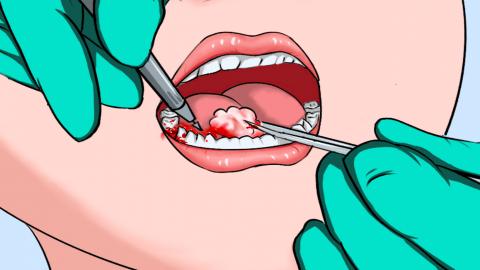
Extraction of complex impacted wisdom teeth or buried teeth involves relatively greater surgical trauma and carries a higher risk of postoperative complications—including oozing, swelling, and inflammation. Blood pressure naturally fluctuates during nighttime, potentially increasing the risk of bleeding. Furthermore, staffing levels for outpatient services—including physicians and nurses—are reduced at night; thus, emergency interventions—such as those required for massive postoperative hemorrhage or syncope—are less readily available and less comprehensive than during daytime hours. In contrast, simple extractions of deciduous teeth or extremely loose permanent teeth involve minimal trauma and may be scheduled for evening hours, depending on individual circumstances.
Formation of a stable blood clot at the extraction site requires time, and the first few hours postoperatively represent a high-risk period for complications. Daytime extractions allow for easier monitoring of the patient’s immediate postoperative status and enable rapid intervention should any abnormalities occur. After extraction, patients should protect the wound carefully: maintain firm, continuous pressure with a gauze pad for hemostasis, and consume only cool, soft, or liquid foods initially. For extractions involving greater surgical trauma, scheduling the procedure during daytime hours is strongly recommended.
After tooth extraction, patients should avoid keeping their head in a lowered position and refrain from actions such as sucking motions or spitting, which may dislodge the blood clot. Adequate nutritional support is also important to promote clot stability and facilitate gradual healing of the soft tissues within the alveolar socket.


