


Can patients with cardiovascular disease have teeth extracted?
Sep 17, 2026
Source: Cainiu Health

Dr. Tian Hongbo
Introduction
Patients with cardiovascular disease may undergo tooth extraction. Those with stable disease and good overall physical condition can safely undergo this procedure. However, tooth extraction should be postponed for patients experiencing an acute episode or whose condition is poorly controlled. Pain and stress responses associated with tooth extraction may increase cardiac workload. Recurrent dental swelling, pain, or discomfort warrants prompt medical evaluation and comprehensive assessment.
Patients with cardiovascular disease may undergo tooth extraction. Those whose condition is stable and who are in good general health can safely undergo the procedure. However, patients experiencing an acute episode or whose condition is poorly controlled should postpone tooth extraction. Pain and stress responses associated with tooth extraction may increase cardiac workload. Recurrent dental swelling, pain, or discomfort warrants prompt medical evaluation and comprehensive assessment.
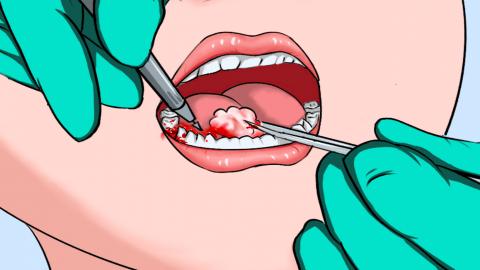
Patients with well-controlled hypertension or coronary artery disease—those who experience no symptoms such as chest tightness, palpitations, or shortness of breath in daily life and who consistently take prescribed medications to maintain stability—may undergo tooth extraction under close monitoring. Prior to the procedure, blood pressure and heart rate will be monitored, baseline medication regimens adjusted as needed, and measures taken to minimize intraoperative stress responses, thereby reducing the risk of cardiac symptom exacerbation and ensuring safety throughout the extraction process.
Patients experiencing acute heart failure, unstable angina pectoris, or uncontrolled arrhythmias have diminished cardiopulmonary reserve capacity; tooth extraction—due to associated pain and anxiety—may trigger acute cardiac events. Such patients should prioritize management of their underlying cardiac conditions, adhere strictly to prescribed medications to support cardiac function, and defer oral treatment until all clinical parameters have stabilized.
Routine oral hygiene and preventive care help reduce the incidence of periodontal disease, dental caries, and other oral health issues, thereby decreasing the need for dental interventions. Concurrently, consistent rest and lifestyle management contribute to maintaining stable cardiovascular function.



