How is tinea manuum treated?
Sep 22, 2026
Source: Cainiu Health

Dr. Liu Wenmin
Introduction
Tinea manuum (hand fungus) can be treated through daily hand protection, localized soaking care, topical antifungal ointments, oral antifungal medications, and adjunctive management of refractory skin lesions. These approaches help suppress dermatophyte proliferation, alleviate symptoms such as scaling, vesicles, and pruritus, and promote gradual healing of damaged skin. If extensive erythema, swelling, suppuration of the hands, or secondary lymphangitis occurs, prompt medical evaluation and treatment at a hospital are recommended.
Hand tinea (tinea manuum) can be treated through daily hand protection, localized soaking care, topical antifungal ointments, oral antifungal medications, and adjunctive management of refractory lesions—aiming to suppress dermatophyte proliferation, alleviate symptoms such as desquamation, vesicles, and pruritus, and promote gradual repair of damaged skin. If extensive erythema, swelling, suppuration of the hands, or secondary lymphangitis occurs, prompt medical consultation and treatment at a hospital are strongly recommended.
1. Daily Hand Protection:
Maintain dryness of the hands; use protective barriers (e.g., gloves) when handling water or detergents to minimize prolonged exposure to moist environments. Avoid sharing towels or gloves with others to prevent cross-infection, reduce continuous fungal contact with the skin, and lower the risk of disease spread and recurrence.
2. Localized Soaking Care:
When vesicles or marked hyperkeratosis are present, soak the affected area in an appropriate medicated solution to soften thickened keratin and promote astringency of damp, denuded skin. Strictly control soaking duration; thoroughly pat dry afterward to optimize skin conditions for subsequent drug absorption.
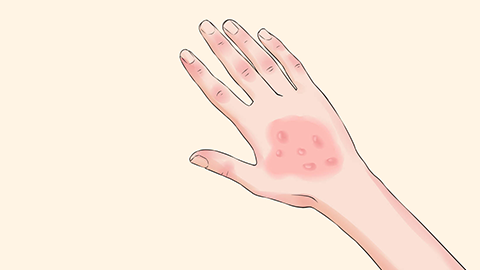
3. Topical Antifungal Ointments:
For limited lesions and mild symptoms, apply topical antifungal agents directly onto clean, dry affected areas to exert localized antifungal effects. Maintain consistent application for the full prescribed duration—even after visible symptoms resolve—to minimize residual fungi and prevent recurrence.
4. Oral Antifungal Medications:
When lesions are widespread or hyperkeratosis is severe—and topical therapy proves insufficient—oral antifungal agents may be prescribed per physician guidance. These drugs act systemically following absorption to inhibit fungal growth. During treatment, monitor general health status closely and undergo regular laboratory assessments to ensure appropriate dosing duration and safety.
5. Adjunctive Management of Refractory Lesions:
In cases of excessive hyperkeratosis impeding drug penetration, gently debride thickened, hardened skin using mild, non-traumatic methods to enhance medication delivery into the lesion. Perform procedures carefully—avoid forcibly peeling or tearing the skin—to prevent iatrogenic injury and subsequent bacterial superinfection.
After washing hands, promptly dry interdigital spaces; minimize contact with irritating chemicals; change gloves frequently; and maintain overall hand dryness and cleanliness. Disrupting the environmental conditions favorable for fungal survival helps reduce recurrent episodes of hand tinea.