


Normal Values of Follicle-Stimulating Hormone (FSH)
Sep 16, 2021
Source: Cainiu Health

Dr. Deng Xuanbi
Introduction
In general, in women’s menstrual cycles, FSH levels during the follicular phase are higher than those during the luteal phase; a peak occurs mid-cycle, ranging from 1.7 to 8.5 mU/mL. In men, normal FSH levels range from 0.9 to 9.8 mU/mL. After age 50, FSH levels tend to rise in both sexes due to gonadal insufficiency. Therefore, patients are advised to seek evaluation at a reputable hospital and receive targeted treatment.
Follicle-stimulating hormone (FSH), abbreviated as FSH in modern medicine, is a substance secreted by the anterior pituitary gland. It plays a critical role in the development and maturation of sperm and ova, thereby exerting profound influence on reproductive function. FSH promotes follicular development and maturation as well as ovulation. Measurement of FSH levels holds significant clinical value in the diagnosis and management of infertility. So, what constitutes the normal FSH range? The following section addresses this question.
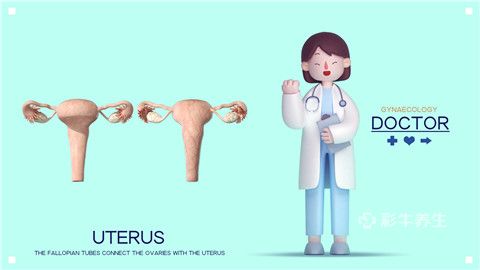
Normal FSH Levels
In general, during the menstrual cycle, FSH levels are higher in the follicular phase than in the luteal phase, peaking mid-cycle at 1.7–8.5 mIU/mL. In males, the normal range is 0.9–9.8 mIU/mL. After age 50, FSH levels tend to rise gradually due to declining gonadal function. Low FSH levels may be associated with long-term contraceptive use or excessive administration of sex hormones. Therefore, patients are advised to seek evaluation at a reputable medical institution for targeted treatment. Additionally, dietary supplementation with foods such as black beans, glutinous rice porridge, and brown sugar may help compensate for diminished ovarian function.

Knowledge Expansion: Ovarian Health Maintenance
1. Regulating Endocrine Function
Maintaining ovarian health begins with correcting endocrine imbalances. By addressing internal physiological factors—such as maintaining emotional well-being, adhering to regular meal schedules, ensuring consistent sleep patterns, and engaging in appropriate physical activity—women can support hormonal balance. When necessary, pharmacological intervention under the guidance of a qualified physician is recommended; self-medication should be strictly avoided.
2. Estrogen Supplementation
Premature ovarian insufficiency often results from insufficient estrogen secretion, which may also disrupt menstruation and cause vaginal dryness. Supplementing estrogen can help restore hormonal equilibrium and effectively alleviate symptoms of declining ovarian function. However, prolonged estrogen therapy carries substantial risks of adverse systemic effects.

3. Avoiding Ovarian Stimulation
The ovaries constitute one of the most vital organs in the female reproductive system. The best approach to ovarian care is to minimize unnecessary stimulation. Many women experience irregular vaginal bleeding after undergoing so-called “ovarian maintenance” treatments—a phenomenon closely linked to both direct ovarian stimulation and fluctuations in endogenous hormone levels.
The above outlines the normal reference ranges for follicle-stimulating hormone. We hope this information proves helpful to you.





