


What symptoms occur with wound infection and fever?
Dec 02, 2021
Source: Cainiu Health

Dr. Wang Jihong
Introduction
Symptoms of wound infection with fever: If a wound infection is accompanied by fever—and other potential causes of fever have been ruled out—this suggests inadequate control of the wound infection, with bacterial toxins absorbed into the bloodstream, leading to systemic infection. Sepsis cannot be excluded in such cases. At this point, wound debridement and dressing changes should be performed, and antibiotic therapy should be adjusted based on culture and sensitivity results, along with supportive treatment targeting the underlying condition.
Bruises and abrasions are common occurrences in daily life, making wounds a frequent occurrence. When wounds are present, dietary considerations become especially important; otherwise, wound healing may be significantly delayed—particularly following surgical procedures.
So, what symptoms suggest wound infection accompanied by fever? Below is an explanation.
What Symptoms Indicate Wound Infection with Fever?
In the early stages, wound infection typically manifests as localized inflammation—characterized by redness, swelling, warmth, and pain at the wound site—along with purulent discharge or abscess formation. If fever develops concurrently with wound infection—and other potential causes of fever have been ruled out—it suggests inadequate control of the local infection. Toxins may then enter the bloodstream, triggering systemic infection, and sepsis cannot be excluded. At this point, prompt wound debridement and dressing changes, along with adequate drainage and maintenance of wound dryness, are essential. Simultaneously, wound exudate and blood cultures should be obtained urgently to guide targeted antibiotic therapy based on bacterial sensitivity results. Supportive management—including correction of fluid and electrolyte imbalances—is also critical. Timely intervention is imperative.
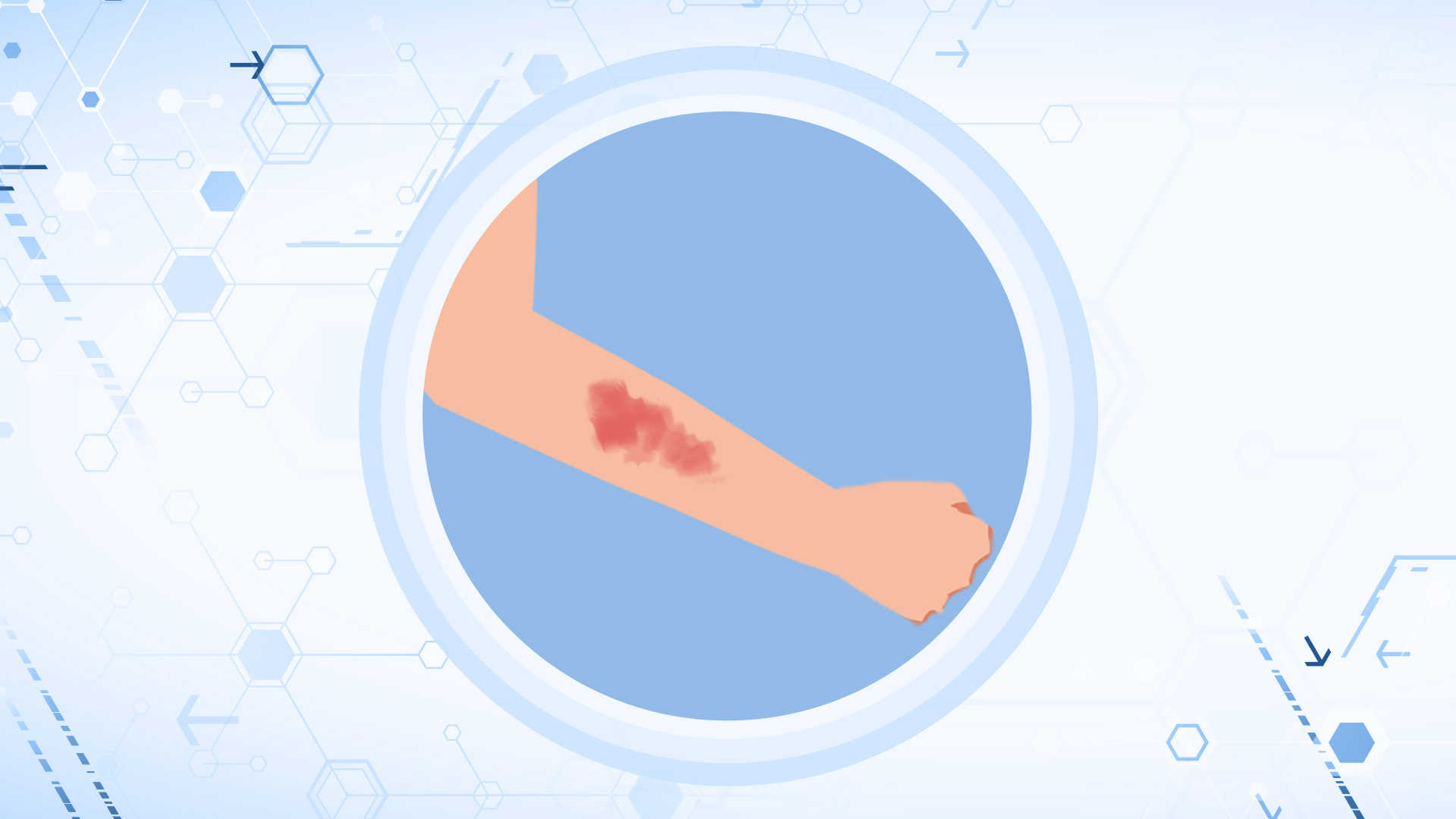
Foods to Avoid with Wounds
1. Spicy and Irritating Foods
Individuals with wounds should minimize or avoid spicy and irritating foods. These foods may induce “excess heat” (a concept in Traditional Chinese Medicine), potentially exacerbating local inflammation and impairing normal wound healing.
2. Edible Fungi
Fungi such as mushrooms and shiitake mushrooms should be avoided. Overconsumption may stimulate wind-heat patterns, triggering or worsening pre-existing conditions like liver-yang headache or liver-wind dizziness. Additionally, these foods may provoke or aggravate skin ulcers, carbuncles, or abscesses. Excessive intake may also lead to excessive liver fire, so consumption should be limited.
3. Pungent or “Fishy” Foods
Patients with skin wounds should avoid seafood such as kelp, yellow croaker, and crab. These foods are considered “cold” and “fishy” in nature and may impede normal wound healing.
The above outlines key symptoms associated with wound infection and fever. If fever accompanies wound infection—and other causes of fever have been excluded—the infection is likely poorly controlled, allowing toxins to enter the bloodstream and cause systemic infection. We hope today’s information proves helpful. Wishing you a joyful life and good health!






