


When Is Intercourse Most Likely to Result in Pregnancy?
Dec 21, 2021
Source: Cainiu Health
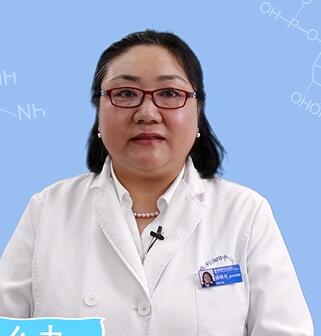
Dr. Duan Xiaohua
Introduction
1. Avoid conceiving at an advanced maternal age; the optimal childbearing age for women is approximately 25–28 years. Fertility declines progressively with increasing age.
2. Choose an appropriate season for conception; the best time for women to conceive is late spring to early autumn. Planning pregnancy during this period increases the likelihood of conception.
3. Maintain good physical health and normal physiological function across all organ systems, as this facilitates conception.
Many young couples eagerly hope to conceive as soon as possible—to welcome a healthy baby, enrich their lives, and ease the anxiety of their aging parents. Yet despite their considerable efforts, they often fail to achieve pregnancy, sometimes even beginning to suspect that one or both partners may have fertility issues. In reality, conception is a complex biological process. Young couples, lacking experience, may not know when intercourse is most likely to result in pregnancy. So, when *is* intercourse most conducive to conception? Below, we address this question.

When Is Intercourse Most Likely to Result in Pregnancy?
1. Optimal Age for Conception
A woman’s peak fertility occurs between ages 25 and 28. Fertility gradually declines with age. Thus, younger women generally conceive more easily. As age increases, egg quality deteriorates, conception becomes more difficult, and the risk of fetal abnormalities rises.
2. Favorable Season for Conception
Gynecological experts recommend late spring to early autumn as the optimal season for conception. Couples planning pregnancy during this period tend to have higher success rates.
3. Good Physical Health
A woman’s overall health significantly influences her chances of successful conception. Consider two women—one in robust health and another in suboptimal health. The healthier woman, whose bodily functions operate normally, is naturally more likely to conceive.
Additional Information: Preconception Preparation
1. Ensure Adequate Rest and Sleep: Aim for sufficient sleep each night. Chronic sleep deprivation can impair immune function and disrupt hormonal balance—both detrimental to conception. Maintain a relaxed mindset and avoid excessive stress. Consider practicing yoga, which promotes both mental relaxation and physical fitness.
2. Quit Smoking and Alcohol: Alcohol’s harmful effects on sperm are well documented; similarly, numerous toxic substances in tobacco smoke can damage sperm. Couples should abstain from alcohol and tobacco for at least three months prior to attempting conception.
3. Supplement with Folic Acid: Folic acid plays a vital role in fetal development. Deficiency may lead to neural tube defects or other congenital abnormalities. Women should begin folic acid supplementation at least three months before conception. Rich dietary sources include amaranth, spinach, lettuce, asparagus, and bok choy. During early pregnancy, the recommended daily intake is 0.4 mg.
4. Increase Calcium Intake: Calcium is essential for fetal bone and tooth development—and is required in relatively large amounts. Calcium-rich foods include milk, soy products, eggs, seafood, and bone broth. Calcium supplementation should begin during preconception planning, with a daily target of approximately 800 mg.
The above outlines key factors influencing the timing of intercourse for optimal conception. We hope this information proves helpful to you.



