


Causes of Menstruation Lasting for Over Ten Days
Jan 14, 2022
Source: Cainiu Health
Dr. Yang Qiong
Introduction
1. If this condition occurs during adolescence, shortly after menarche, it is generally attributed to an imbalance in estrogen and progesterone secretion.
2. If it occurs during the reproductive years, dysfunctional uterine bleeding is the most likely diagnosis.
3. If it occurs during the menopausal transition, it is associated with endocrine disturbances caused by menopause.
In healthy women, regular menstrual cycles typically begin at puberty and continue until menopause. Menstrual characteristics—including color, duration, and volume—can reflect a woman’s overall health status. However, if menstruation persists for more than ten days without stopping, this is considered abnormal. Affected individuals should promptly seek medical evaluation to identify the underlying cause and receive appropriate, targeted treatment. Below, we address the potential causes of prolonged menstruation lasting over ten days.
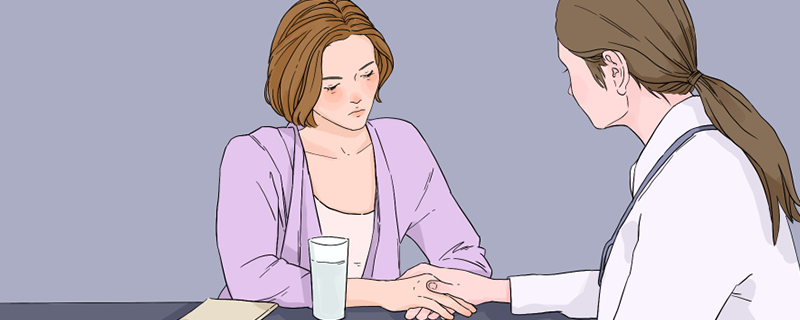
What Causes Menstruation to Last Over Ten Days?
1. If this occurs shortly after menarche (i.e., during early adolescence), it is commonly attributed to hormonal imbalance—specifically, an imbalance between estrogen and progesterone secretion.
2. In women of reproductive age, prolonged bleeding is most frequently associated with dysfunctional uterine bleeding (DUB).
3. For perimenopausal women, such prolonged bleeding often results from endocrine disturbances related to the menopausal transition.
4. In postmenopausal women who experience prolonged bleeding years after menopause, uterine neoplasms (e.g., uterine fibroids or endometrial tumors) should be strongly considered.
Additional Information: Common Causes of Menstrual Disorders
1. Emotional Disturbances Leading to Menstrual Irregularities
Chronic emotional stress, anxiety, or exposure to significant psychological trauma can disrupt normal menstrual function, resulting in irregular periods, dysmenorrhea, or even amenorrhea. Menstruation is regulated by ovarian hormones acting on the endometrium; ovarian hormone production, in turn, is controlled by gonadotropin-releasing hormone (GnRH) from the hypothalamus and gonadotropins (FSH and LH) from the pituitary gland. Therefore, dysfunction in any component of this hypothalamic–pituitary–ovarian (HPO) axis may impair menstrual regularity.
2. Cold Exposure Leading to Hypomenorrhea or Amenorrhea
Exposure to cold during menstruation may cause excessive vasoconstriction in the pelvic region, leading to reduced menstrual flow (hypomenorrhea) or even complete cessation of menses (amenorrhea).
3. Excessive Dieting Causing Menstrual Irregularities
Adolescent girls require a minimum body fat percentage of approximately 17% to achieve menarche; maintenance of regular menstrual cycles generally requires at least 22% body fat. Severe caloric restriction depletes essential fat and protein stores, thereby impairing estrogen synthesis and potentially causing oligomenorrhea or amenorrhea.
4. Smoking and Alcohol Consumption Causing Menstrual Irregularities
Certain constituents in tobacco smoke and alcohol can interfere with physiological processes governing menstruation, contributing to menstrual disorders. Among women who smoke or consume excessive alcohol, 25%–32% seek clinical evaluation specifically for menstrual irregularities. Women who smoke more than one pack of cigarettes daily or consume over 100 mL of high-proof liquor per day are three times more likely to experience menstrual disturbances compared with non-smoking, non-drinking peers.
The above outlines the primary causes of prolonged menstruation lasting over ten days. We hope this information is helpful to you.



