


What Does a Red Blood Mole on the Neck Signify?
Mar 03, 2022
Source: Cainiu Health

Dr. Yan Min
Introduction
Generally speaking, patients with liver disease—such as chronic hepatitis, cirrhosis, or even hepatocellular carcinoma—may develop cherry angiomas (small, bright-red vascular lesions) on the neck. This phenomenon is primarily attributable to elevated estrogen levels in the body. Estrogen promotes vasodilation and is normally inactivated in the liver; however, when liver function is impaired, its capacity to metabolize and inactivate estrogen diminishes accordingly.
In general, the appearance of cherry angiomas (small, bright-red, raised spots) on the neck may indicate underlying liver disease; however, they can also occur as a normal physiological phenomenon. It is advisable to consult a healthcare provider and undergo appropriate medical evaluation to determine the exact cause. So, what might cherry angiomas on the neck signify? Below, we address this question.
What Do Cherry Angiomas on the Neck Signify?
Typically, cherry angiomas on the neck may appear in individuals with liver disease—such as chronic hepatitis, cirrhosis, or even hepatocellular carcinoma. This occurrence is primarily attributed to elevated estrogen levels in the body. Estrogen promotes vasodilation and is normally metabolized (inactivated) by the liver. When liver function is impaired, its capacity to inactivate estrogen diminishes, leading to estrogen accumulation. This hormonal imbalance may trigger the formation of cherry angiomas on the neck.
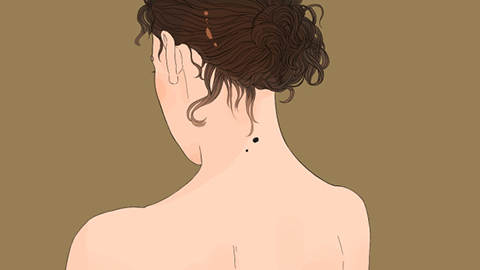
Moreover, cherry angiomas are not limited to the neck—they may also develop on the face, chest, and back. Once the underlying cause is identified, prompt and appropriate treatment is essential. For patients with chronic hepatitis or cirrhosis, silymarin capsules may be prescribed per physician guidance. Patients diagnosed with liver cancer require timely surgical intervention.
However, some individuals without liver disease may still develop cherry angiomas on the neck due solely to fluctuations in hormone levels—for example, during pregnancy. In such cases, the appearance of these lesions is considered a normal physiological change and typically requires no specific treatment.
We hope the above information is helpful to you.





