How many days does periapical periodontitis usually cause pain?
Mar 15, 2022
Source: Cainiu Health

Dr. Liu Chao
Introduction
At the onset of apical periodontitis, pain is typically pronounced and usually lasts about 3 days. During this stage, inflammation is primarily localized to the periodontal ligament around the root apex; stimulation by inflammatory mediators leads to occlusal pain. Patients experience sudden, severe pain in the affected tooth upon biting, with the pain presenting as a persistent, dull ache. As apical periodontitis progresses to the suppurative stage, the pain may persist for approximately 7 days.
Typically, apical periodontitis may cause pain for 3–7 days, with the exact duration varying among individuals. Below is a detailed analysis:
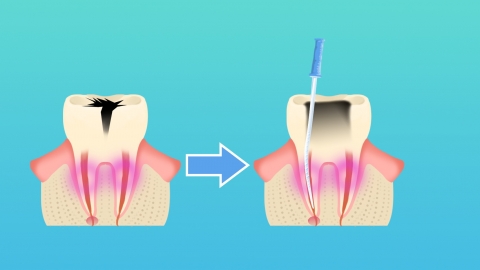
During the initial onset of apical periodontitis, pain is usually pronounced and typically persists for about three days. At this stage, inflammation is primarily localized to the periapical periodontal ligament. Stimulated by inflammatory mediators, patients experience occlusal pain—sudden, severe pain upon biting, accompanied by continuous dull ache. Without timely treatment, the inflammation will progress further. Additionally, fluctuations in intrapulpal pressure may trigger spontaneous, pulsating pain, significantly interfering with normal eating and daily activities.
When apical periodontitis advances to the suppurative stage, pain may persist for approximately seven days. During this phase, inflammation at the apex leads to accumulation of purulent exudate. If drainage is delayed, pain intensifies and becomes throbbing; patients often report a distinct sensation of tooth “elevation” (a feeling that the tooth is protruding), and increased tooth mobility may also occur. Should the pus penetrate the periosteum and reach the submucosal space, pain may subside slightly due to partial pressure relief.
Patients are advised to seek prompt medical attention for root canal treatment. After thorough debridement of infected material within the root canal system, inflammation gradually subsides and pain diminishes, allowing restoration of normal oral function.