


Can recurrent liver cancer still be treated?
Mar 16, 2022
Source: Cainiu Health

Dr. Pan Guozheng
Introduction
Hepatocellular carcinoma (HCC) recurrence remains treatable. Because the recurrence rate of HCC is relatively high—even after complete surgical resection of the tumor—many patients may still experience recurrence. Therefore, regular follow-up examinations during and after treatment are essential to monitor disease progression. Consequently, during surgical treatment for HCC, management of both the primary lesion and any coexisting conditions must be conducted appropriately.
Hepatocellular carcinoma (HCC) is a common clinical condition. Due to its high malignancy, propensity for recurrence, and metastasis, appropriate treatment is critically important. Only proactive and effective therapeutic strategies can adequately manage HCC. So, can recurrent HCC still be treated? Let’s explore this further.
Can Recurrent Hepatocellular Carcinoma Be Treated?
Yes, recurrent HCC remains treatable. Given its relatively high recurrence rate—even after complete surgical resection—many patients still experience disease recurrence. Therefore, regular follow-up examinations during and after treatment are essential to monitor disease progression. Whether the initial presentation involves a solitary lesion or multiple lesions, treatment planning—including surgical intervention—must be carefully tailored and rational.
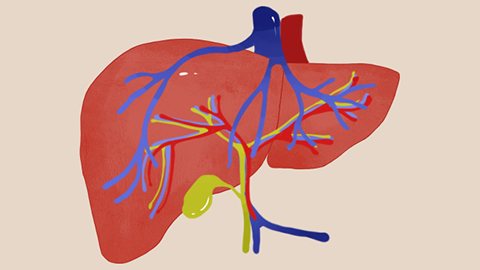
Upon detection of recurrence, early diagnosis and prompt initiation of treatment are paramount. Treatment selection should be individualized based on the patient’s specific clinical status and may include surgical resection, liver transplantation, interventional therapies (e.g., transarterial chemoembolization), targeted drug therapy, immunotherapy, traditional Chinese medicine, radiotherapy, and chemotherapy. A multimodal, integrated approach is often recommended with the goals of controlling tumor growth, prolonging survival, and alleviating symptoms. Additionally, potential complications must be systematically assessed and managed appropriately.
We hope the above information is helpful to you.



