


What Are the Symptoms of Bone Tuberculosis?
Mar 21, 2022
Source: Cainiu Health

Dr. Lin Yunfei
Introduction
What are the symptoms of bone tuberculosis?
1. Functional impairment: The affected joint involuntarily assumes a protective posture to alleviate severe pain—a natural response.
2. Pulmonary tuberculosis symptoms: Classic symptoms such as severe cough, dyspnea, and chest tightness or pain may appear.
3. Low back and limb pain: When the lesion involves nerve plexuses surrounding the lumbar vertebrae, it can cause low back pain, limb pain, and fatigue.
The primary cause of bone tuberculosis is pulmonary tuberculosis. When Mycobacterium tuberculosis disseminates from pulmonary lesions, it invades bones and joints—this condition is known as bone tuberculosis. Bone tuberculosis most commonly affects joints that are frequently used and bear substantial mechanical stress, such as the spine, knees, elbows, wrists, and ankles.
What Are the Symptoms of Bone Tuberculosis?
1. Functional Impairment
In bone tuberculosis, the affected area may appear normal externally; however, pathological changes have already occurred internally. The patient’s joint involuntarily assumes a protective posture to alleviate severe pain—a natural reflex response. Prolonged maintenance of this position leads to functional impairment of the joint. Chronic restriction of joint mobility may ultimately result in joint deformity.

2. Pulmonary Tuberculosis Symptoms
Most cases of bone tuberculosis originate from hematogenous dissemination of tubercle bacilli from pre-existing pulmonary tuberculosis. Consequently, patients often exhibit classic pulmonary tuberculosis symptoms—including persistent cough, dyspnea, and chest tightness or pain—which may also represent early manifestations of bone tuberculosis.
3. Low Back and Limb Pain
During the early stage of bone tuberculosis, pain at the lesion site is typically mild and may subside with rest. As the disease progresses, the lesion irritates and compresses surrounding nerves, resulting in persistent, worsening pain. In spinal tuberculosis—particularly lumbar tuberculosis—the inflammatory process affects adjacent nerve roots, leading to low back pain and weakness or pain radiating into the limbs.
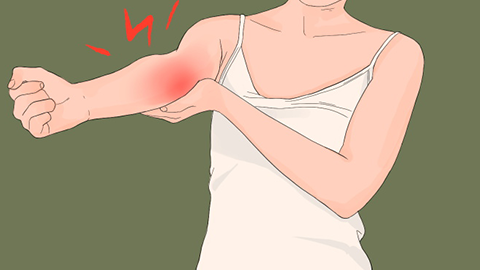
The above outlines the principal symptoms of bone tuberculosis. Suffering from bone tuberculosis is extremely painful: although it is not contagious, the joint pain experienced can be excruciating and difficult to describe. Therefore, patients must actively cooperate with medical treatment. Daily dietary adjustments—such as increased intake of milk and pears—may support recovery. With timely and appropriate therapy, most patients achieve full remission. We hope this information proves helpful to you.



