


What Causes Testicular Pain in Elderly Men?
Apr 01, 2022
Source: Cainiu Health

Dr. Wang Jianlong
Introduction
In elderly men, testicular pain can have various causes. Acute onset with severe pain is commonly associated with conditions such as orchitis or epididymitis. Chronic pain, on the other hand, is often due to varicocele, hydrocele, or testicular tumors, and typically presents as a sensation of heaviness or dull ache in the scrotum. Scrotal ultrasound can help definitively identify the underlying cause. Pain caused by orchitis or epididymitis is frequently accompanied by urinary frequency.
Testicular pain is commonly caused by orchitis or testicular trauma. Orchitis is typically due to pathogen infection; besides hematogenous spread, bacteria more frequently ascend retrograde via the urethra to the epididymis and testis, resulting in epididymo-orchitis. Clinically, patients present with swelling and pain in both the epididymis and testis. So, what causes testicular pain in elderly men? The following section addresses this question.
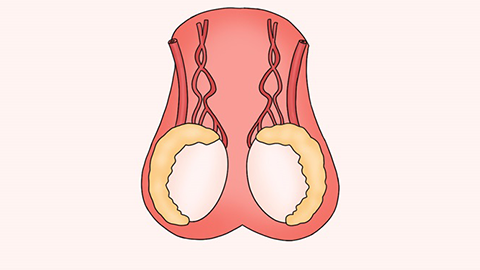
Causes of Testicular Pain in Elderly Men
In elderly men, acute-onset, severe testicular pain is most commonly attributable to orchitis or epididymitis. Chronic testicular pain, however, is often associated with conditions such as varicocele, hydrocele, or testicular tumors—manifesting as a sensation of heaviness or dull ache in the scrotum. Definitive diagnosis can be achieved through scrotal ultrasound.
If pain stems from orchitis or epididymitis, it is frequently accompanied by urinary symptoms—including urinary frequency, urgency, and dysuria—as well as marked scrotal swelling and erythema or edema of the scrotal skin. Treatment typically involves oral or intravenous antibiotics. During therapy, patients should follow a light diet, abstain from smoking and alcohol, drink ample fluids, urinate frequently, elevate the scrotum, and apply local heat to improve microcirculation. The treatment course for orchitis- or epididymitis-related testicular pain tends to be relatively prolonged—usually lasting approximately two weeks.
Additionally, testicular pain may be associated with systemic symptoms such as high fever, chills, nausea, vomiting, and elevated white blood cell count. Therefore, to effectively reduce the incidence and severity of testicular pain, diligent daily self-care is essential. In severe cases, prompt medical evaluation and treatment are strongly recommended.
We hope the above information is helpful to you.





