


Mild depressive symptoms
Apr 20, 2022
Source: Cainiu Health

Dr. Zhu Gang
Introduction
Individuals with mild depression primarily exhibit a markedly diminished or absent interest in almost all activities for most of the day, nearly every day. They experience either a significant unintentional weight loss or weight gain (e.g., a change of more than 5% of body weight within a month), along with either a noticeable increase or decrease in appetite, nearly every day. Symptoms of mild depression also include insomnia or hypersomnia, occurring nearly every day.
Depression may appear mild, yet severe cases can endanger life. However, once identified early and treated promptly, most patients achieve favorable therapeutic outcomes. What are the symptoms of mild depression?
Symptoms of Mild Depression
Individuals with mild depression primarily experience markedly diminished or absent interest in almost all activities for most of the day, nearly every day. They often exhibit significant unintentional weight loss or weight gain (e.g., a change of more than 5% of body weight within one month), or noticeable increases or decreases in appetite nearly every day. Sleep disturbances—either insomnia or hypersomnia—are present nearly daily. Psychomotor agitation or retardation is observed almost daily. Persistent fatigue or loss of energy occurs nearly every day. Feelings of worthlessness or excessive, inappropriate guilt—beyond mere self-reproach related to physical illness—are experienced nearly daily.
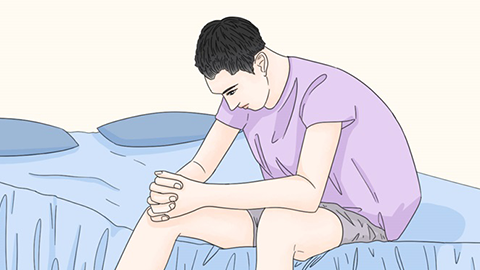
Nearly every day, individuals experience diminished ability to think, concentrate, or make decisions. Recurrent thoughts of death, recurrent suicidal ideation without a specific plan, suicide attempts, or a specific suicide plan may also occur. While mild depression may present with additional symptoms, those listed above represent the most common psychological manifestations of depressive disorder.
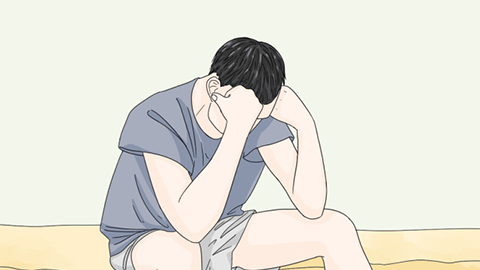
Mild depression is generally managed effectively through psychotherapy and self-regulation strategies. First, self-regulation may involve physical exercise to release emotional tension and maintain a positive mental outlook. Second, psychotherapeutic approaches—including supportive counseling and cognitive-behavioral therapy (CBT)—can be beneficial. Patients should avoid cold exposure and excessive fatigue. Strenuous physical activity should be avoided, as it may exacerbate symptoms. We hope this information proves helpful to you.





