


Is red light therapy effective for treating acne?
Apr 21, 2022
Source: Cainiu Health
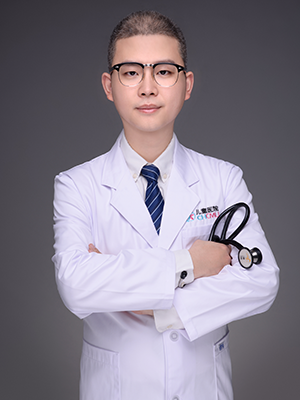
Dr. Gan Liqiang
Introduction
Is red light therapy effective for acne treatment? Red light therapy is highly effective for acne treatment. It is a commonly used physical therapy for acne, with anti-inflammatory properties that promote the healing of inflammatory lesions and stimulate the production of new skin cells. It is particularly effective for stubborn or treatment-resistant acne. After red light therapy, it is recommended to take Danshenkun capsules orally, which possess anti-inflammatory and endocrine-regulating effects.
Acne on the face is a common chronic inflammatory disorder of the hair follicles and sebaceous glands, predominantly affecting young people. It arises from increased local sebum production by the sebaceous glands, followed by follicular pore obstruction and subsequent bacterial proliferation and infection. Acne significantly impairs facial aesthetics, prompting many individuals to opt for red-light therapy devices for treatment. But how effective is red-light therapy for acne? Let’s explore this further.
Is Red-Light Therapy Effective for Acne?
Red-light therapy devices demonstrate favorable efficacy in treating acne. As a widely used physical modality for acne management, red-light irradiation exerts anti-inflammatory effects on acne-affected skin, promotes resolution of inflammation, and stimulates the generation of new skin cells—yielding particularly good outcomes for recalcitrant acne cases. Typically, red-light therapy is administered twice weekly, with each session lasting 20 minutes. For optimal results, it should be combined with oral administration of Danshenkun capsules (which possess anti-inflammatory and endocrine-regulating properties) and topical application of adapalene gel (to normalize abnormal keratinization). Additionally, incorporating high-fiber foods into the diet supports detoxification.
Red-light therapy devices emit red light with strong tissue-penetrating capability. This light stimulates macrophages to release cytokines, thereby exerting anti-inflammatory effects. Moreover, it activates dermal fibroblasts to proliferate and secrete growth factors, accelerating the repair of damaged tissue and enabling rapid acne resolution. However, red-light therapy is most effective for inflammatory acne; its efficacy is limited in non-inflammatory acne, especially when lesions consist predominantly of comedones.
The above addresses the question: “How effective is red-light therapy for acne?” While red-light therapy is indeed effective, concurrent management of endocrine balance is essential. A high-fiber diet facilitates detoxification, and maintaining a consistent sleep schedule—ideally retiring before 11 p.m.—further enhances therapeutic outcomes. We hope this information proves helpful to you.




