Distinguishing Vulvitis from Vulvar Eczema
Apr 25, 2022
Source: Cainiu Health

Dr. Liu Wan
Introduction
Vulvitis and vulvar eczema—both conditions require prompt treatment, as they commonly present with symptoms such as pruritus and vulvar discomfort, along with other associated manifestations. In fact, these two inflammatory conditions differ significantly from each other; careful observation is usually sufficient to distinguish between them. Many women are unaware of the differences between these two conditions, and consequently, accurate diagnosis may be delayed or missed upon initial presentation.
In daily life, some women neglect proper hygiene of their genital area, leading to adverse symptoms such as vulvitis and vulvar eczema. Are these two conditions distinct from one another? What are the differences between vulvitis and vulvar eczema?
Differences Between Vulvitis and Vulvar Eczema
Both vulvitis and vulvar eczema require prompt and active treatment. Common manifestations include pruritus (itching) and discomfort in the vulvar region, along with additional symptoms. In fact, these two conditions differ significantly—careful observation is usually sufficient for differentiation. Many women are unaware of these distinctions; consequently, misdiagnosis often occurs upon presentation, and inappropriate or blind treatment may exacerbate inflammation or even precipitate other complications, thereby adversely affecting overall health. Indeed, vulvitis and vulvar eczema are markedly different.

Eczema may arise from allergic reactions or contact with abnormal substances, causing symptoms such as skin itching and exudation. Topical treatments—including eczema ointments and Baibao ointment—may be used. Additionally, antihistamines such as mizolastine extended-release tablets can help alleviate allergic symptoms. Patients may also consult a dermatologist for evaluation and receive individualized pharmacotherapy based on clinical findings.
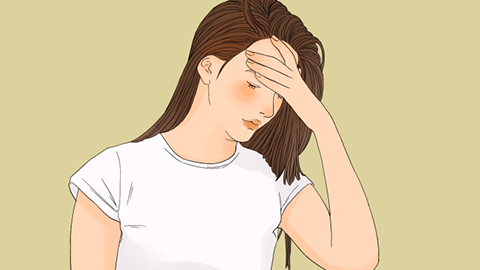
Maintain good local hygiene, avoid frequent late-night activity, and ensure adequate sleep. Diet should be light and easily digestible; minimize intake of greasy or spicy, irritating foods. Consume more fresh vegetables and fruits rich in vitamins. We hope this information proves helpful!