


What Should I Do About Acne?
Apr 28, 2022
Source: Cainiu Health

Dr. Liu Wan
Introduction
Avoid emotional anxiety and low mood; maintain an optimistic and cheerful mindset, recognizing this as a temporary physiological phenomenon. Keep the skin clean—wash your face regularly with lukewarm water, avoid alkaline soaps, and refrain from using oily or highly irritating cosmetics. If localized infection occurs, topical medications such as sulfur or zinc sulfate may be applied; alternatively, a small oral dose of anti-inflammatory medication may be taken under a physician’s guidance.
Acne is a normal physiological phenomenon and typically does not require medical treatment; however, proper skincare remains essential. Most individuals experience spontaneous resolution by age 25. So, what should you do if you develop acne?
What to Do If You Develop Acne
Avoid emotional stress and low mood—maintain an optimistic and cheerful mindset, recognizing acne as a temporary physiological occurrence. Keep the skin clean by washing your face regularly with lukewarm water. Avoid alkaline soaps with high pH, as well as oily or highly irritating cosmetics, which may clog hair follicles and worsen acne.When washing your face, gently pat or wipe the skin with a towel to help remove accumulated sebum—but never squeeze, pinch, or extract pimples with your fingers, as this can easily lead to infection, abscess formation, and scarring.
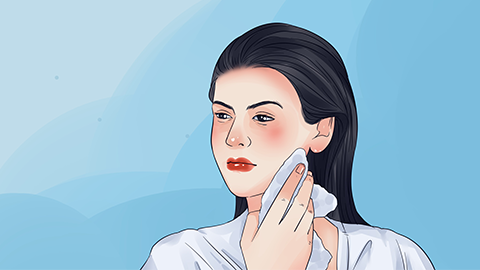
If localized infection is present, topical agents such as sulfur or zinc sulfate may be used. In some cases, long-term, low-dose oral anti-inflammatory medications may be prescribed—ideally under a physician’s supervision. Incorporate foods rich in vitamins A, C, and E (formerly referred to as vitamin F), as well as dietary fiber (e.g., vegetables and fruits) into your daily diet. Maintain hygienic eating habits: limit intake of sweets and greasy foods; reduce consumption of pungent foods like ginger, garlic, and chili peppers; avoid strong tea, coffee, and other stimulants; abstain from smoking and excessive alcohol consumption; and ensure regular, unobstructed bowel movements.
Ordinary acne during adolescence is primarily caused by excessive sebum production from overactive sebaceous glands. Therefore, choose gentle, non-comedogenic, oil-free cleansers—or mild facial soaps. For water temperature, use lukewarm water approximately matching body temperature; avoid hot water entirely.We hope this information proves helpful to you.




