


Can I take a shower if I have a generalized skin allergy?
Apr 29, 2022
Source: Cainiu Health

Dr. Gan Liqiang
Introduction
Symptoms of skin allergy may include the following:
- Skin rash, such as erythema, papules, vesicles, urticarial wheals, maculopapules, erosion, exudate, excoriations, crusts, blood crusts, and blood blisters.
- Pruritus (itching) or stinging sensations.
- Systemic manifestations, including dyspnea, dizziness, headache, fever, abdominal pain, diarrhea, hypotension, and myalgia.
Allergic skin conditions are relatively common in daily life. Individuals with such skin are often subjected to discomfort that most people cannot tolerate. If a person experiences generalized skin allergy, can they still take a bath?
Can individuals with generalized skin allergy bathe?
Yes, individuals with generalized skin allergy may bathe to maintain skin cleanliness and prevent bacterial infection. However, it is important to avoid using shower gels or soaps, as these may irritate the skin and exacerbate allergic symptoms. Additionally, bathwater temperature should be moderate—not excessively hot or cold.

Clinical manifestations of generalized skin allergy may include the following: - Skin rashes—such as erythema, papules, vesicles, wheals, maculopapular eruptions, erosions, exudates, excoriations, crusts, blood crusts, and blood blisters. - Pruritus (itching) or stinging sensations. - Systemic symptoms—such as dyspnea, dizziness, headache, fever, abdominal pain, diarrhea, hypotension, and myalgia. Treatment typically involves oral administration of levocetirizine hydrochloride oral solution and compound glycyrrhizin capsules.
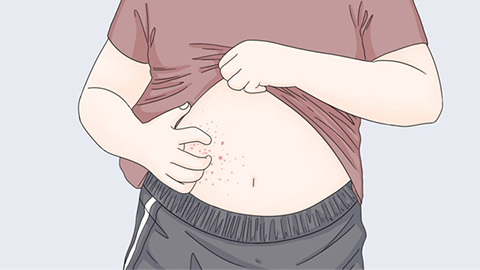
The management of generalized allergic conditions—including generalized urticaria, generalized eczema, and generalized allergic dermatitis—primarily relies on systemic pharmacotherapy. Second-generation antihistamines are commonly prescribed, such as oral levocetirizine hydrochloride, ebastine, or loratadine. In some cases, traditional Chinese herbal medicines or proprietary Chinese medicine preparations may also be used. We hope this information proves helpful to you!



