


What should I do if I have hard, persistent acne on my face?
May 12, 2022
Source: Cainiu Health

Dr. Liu Wan
Introduction
Stubborn, hard acne on the face that does not resolve spontaneously can be treated with topical medications such as adapalene gel or erythromycin ointment to help clear the lesions. The presence of such firm, persistent acne indicates deeper-seated inflammatory lesions beneath the skin surface, which are difficult to drain naturally. Local inflammation further contributes to the hardness felt upon palpation. Prompt application of appropriate topical therapy may facilitate lesion resolution and drainage. Note: Use these medications sparingly.
Every patient hopes for smooth, delicate skin—especially on the face. However, some individuals develop acne (pimples), which can negatively affect their overall appearance. So, what should one do if facial acne is particularly hard and stubborn, refusing to subside?
What to Do When Facial Acne Is Hard and Persistent
For hard, persistent facial acne, topical medications such as adapalene gel or erythromycin ointment may be applied to help resolve the lesions. Such firm, deep-seated acne indicates that the underlying lesion resides deeper within the dermis and is difficult to expel naturally. Concurrent local inflammation further contributes to its hardness. Timely topical treatment can facilitate lesion resolution. Note that only a small amount of medication should be applied. If skin redness or peeling occurs shortly after application, this suggests overuse. Additionally, physical therapies—including red/blue light therapy and semiconductor laser treatment—may be combined with topical treatment for enhanced efficacy.
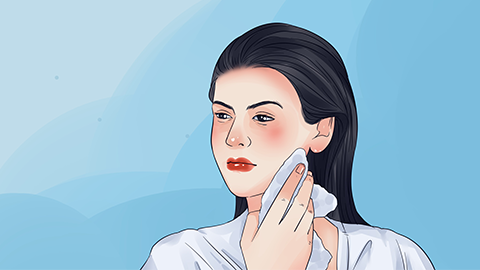
There are numerous causes of facial acne. First, inadequate facial cleansing: The face tends to secrete abundant sebum; failure to maintain proper hygiene allows sebum to clog pores, leading to bacterial infection and subsequent acne formation. Second, poor dietary habits: Regular consumption of greasy, cold, spicy, or otherwise irritating foods can trigger internal heat (“fire”), exacerbate sebum production, and provoke acne. Third, unhealthy lifestyle habits: Chronic sleep deprivation and irregular作息 (sleep-wake cycles) disrupt endocrine balance, increasing androgen secretion—which in turn stimulates excess sebum production and promotes comedone (blackhead/whitehead) formation.

Patients should maintain balanced dietary and sleep habits in daily life. Prolonged late-night activity not only harms general health but also triggers acne breakouts, thereby impairing facial appearance. We hope this information proves helpful!



