


Postoperative Care Instructions Following Glaucoma Surgery
May 13, 2022
Source: Cainiu Health

Dr. Chen You
Introduction
After glaucoma surgery, patients should pay attention to several aspects of postoperative care:
First, they should adhere to scheduled dressing changes and closely monitor wound healing at the surgical site, promptly removing any local exudate or discharge.
Second, maintaining local cleanliness and hygiene is essential—especially avoiding contact of the eye with contaminated water to prevent local infection.
Additionally, intraocular pressure (IOP) must be monitored regularly after surgery. IOP should neither be excessively elevated nor abnormally low.
Increasingly, middle-aged and elderly individuals in daily life are being diagnosed with glaucoma. Some patients undergo surgical treatment for this condition. What precautions should be taken after glaucoma surgery?
Postoperative Precautions Following Glaucoma Surgery
After glaucoma surgery, patients must observe multiple precautions: First, medications should be changed regularly as prescribed, and the surgical site should be closely monitored for signs of healing; any local exudate or discharge should be promptly cleaned. Second, maintaining local hygiene is essential—especially avoiding contact of the eye with contaminated water to prevent infection. Additionally, intraocular pressure (IOP) must be carefully monitored postoperatively; it should neither be excessively high nor abnormally low.

If IOP drops too low, choroidal detachment may occur. Certain medications can help stabilize IOP. Regarding diet, patients should initially avoid hard or chewy foods, which may strain the periocular muscles. Adequate rest for the eyes is crucial. A diet rich in fresh fruits and vegetables—particularly those high in dietary fiber—is recommended to help prevent constipation.
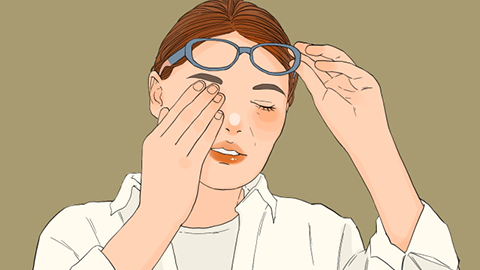
Glaucoma is a condition characterized by sudden vision loss—progressing from blurred or hazy vision to complete loss of sight—and often accompanied by severe eye pain or headache. Acute angle-closure glaucoma presents as an ophthalmologic emergency, with symptoms including intense headache, nausea, vomiting, and abrupt visual impairment—often exacerbated by environmental triggers such as dim lighting or physical exertion. This acute form can affect individuals of any age. We hope this information proves helpful!






