


What Are the Symptoms of Menopause in Women?
May 17, 2022
Source: Cainiu Health

Dr. Lv Aiming
Introduction
Women may experience the following symptoms during menopause:
1. Menstrual irregularities. As women enter menopause, ovarian function declines and ovarian endocrine balance is disrupted, impairing follicular development in the ovaries and leading to menstrual disturbances. These may include irregular menstrual cycles—for instance, amenorrhea lasting several months—as well as increased or decreased menstrual flow and prolonged menstrual periods.
In daily life, some women experience heightened irritability and emotional instability, causing distress both to themselves and their families—these manifestations are commonly attributed to menopausal symptoms. So, what are the typical signs and symptoms of menopause in women?
Common Symptoms of Menopause in Women
Women undergoing menopause may experience the following symptoms:
1. Menstrual irregularities: As women enter menopause, ovarian function declines and endocrine balance is disrupted, impairing follicular development and leading to menstrual disturbances—such as irregular cycles, amenorrhea lasting several months, increased or decreased menstrual flow, and prolonged periods.
2. Systemic symptoms: Due to a marked decline in estrogen and progesterone secretion by the ovaries, menopausal women often develop autonomic nervous system dysfunction, manifesting as hot flashes, excessive sweating, irritability, insomnia, and vivid dreams.
3. Genital changes: Vaginal dryness and reduced vaginal secretions commonly occur during menopause. Alterations in the vaginal microenvironment also increase susceptibility to conditions such as vaginitis.
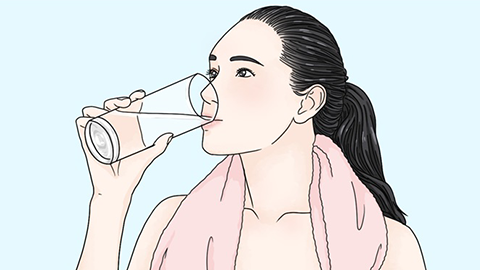
Prolonged estrogen deficiency during menopause can adversely affect metabolism, potentially leading to elevated blood glucose, dyslipidemia, hypertension, and an increased risk of cardiovascular and cerebrovascular diseases. Estrogen insufficiency may also accelerate bone loss, raising the risk of osteoporosis, and contribute to cognitive decline—including impaired memory. One study indicates that a longer menopausal transition is associated with an increased risk of Alzheimer’s disease.
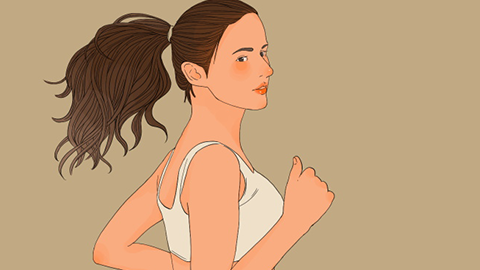
Dietary adjustments—such as increasing intake of protein-rich foods—can effectively alleviate menopausal discomfort. Smoking, alcohol consumption, and excessive caffeine intake (e.g., coffee) should be avoided. We hope this information is helpful to you!



