


Is acne the same as pimples?
May 18, 2022
Source: Cainiu Health

Dr. Liu Wan
Introduction
Acne, commonly known as “youth pimples,” is clinically referred to as acne vulgaris. Its development is primarily influenced by genetic factors, endocrine changes, and dietary habits—especially closely associated with elevated androgen levels. It predominantly affects adolescents, hence the colloquial term “youth pimples.” Once acne appears, dietary control becomes crucial: avoid spicy, stimulating foods, as well as high-sugar and high-fat diets.
Acne is a chronic inflammatory skin disorder affecting the pilosebaceous unit, predominantly occurring in adolescents. It significantly impacts adolescents’ psychological well-being and social functioning; however, it often naturally improves or resolves after puberty. So, is “youth acne” (a colloquial term) synonymous with acne?
Is “Youth Acne” the Same as Acne?
Yes—“youth acne” is clinically termed acne. Its development is primarily influenced by genetic factors, endocrine changes, and dietary habits, particularly correlating strongly with androgen levels. It most commonly affects individuals during puberty and is therefore also referred to as acne. Once acne develops, dietary control is crucial: avoid spicy, irritating foods, as well as high-sugar and high-fat diets. Topical treatments may include fusidic acid, vitamin A acid cream, adapalene, or benzoyl peroxide. Oral medications such as isotretinoin may be prescribed depending on symptom severity. Treatment selection should be individualized based on clinical presentation and disease severity. Chemical peels using alpha-hydroxy acids (AHAs) can also be used adjunctively, and AHAs demonstrate marked efficacy in acne management.
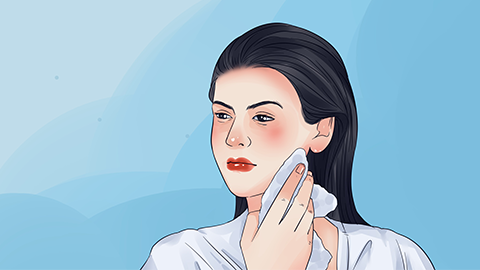
Acne is a chronic inflammatory skin disorder involving the pilosebaceous unit, predominantly affecting adolescents. It exerts considerable psychological and social impact on this population, although it frequently improves spontaneously or resolves entirely following puberty. Clinically, it is characterized by polymorphic lesions—including comedones, papules, pustules, and nodules—predominantly distributed on the face.
In daily diet, avoid fatty, high-sugar, spicy, or fried foods, as well as stimulating beverages such as white spirits (baijiu) and coffee. Instead, increase intake of vegetables, fruits, and warm water. We hope this article has been helpful. Wishing you a joyful life and good health!




