


How Do Acne Lesions Form?
May 18, 2022
Source: Cainiu Health

Dr. Liu Wan
Introduction
Causes of Acne Formation:
The primary cause of acne formation is related to an individual’s constitutional predisposition—specifically, abnormal keratinization in the pilosebaceous units, which impairs the normal drainage of sebum. This tendency often has a genetic basis. Additional contributing factors include inappropriate local skin care practices, such as washing with hot water or saline solution, using irritating cosmetics, or applying comedogenic (pore-clogging) cosmetic products.
Acne is a very common condition during adolescence. Some individuals feel they maintain careful attention to their diet and daily habits, yet still develop acne—and are unsure of the underlying cause. So, how does acne form?
How Acne Forms
Causes of acne formation: The primary factor is constitutional—namely, abnormal keratinization in the pilosebaceous units (hair follicles and associated sebaceous glands). This impairs the normal drainage of sebum, and such a predisposition often has a genetic basis. Other contributing factors include inappropriate local skin care practices—such as washing with hot or saline water, using irritating cosmetics, or applying pore-clogging products. Additionally, lifestyle factors like chronic sleep deprivation, fatigue, and irregular daily routines can disrupt endocrine balance—particularly increasing androgen secretion and impairing its metabolism—thereby promoting acne development and exacerbation. Diet also plays a role: consumption of alcohol (especially hard liquor), fatty meats, sweets, and cold or hard-to-digest foods may further aggravate abnormal keratinization in the pilosebaceous units, thereby facilitating acne onset.
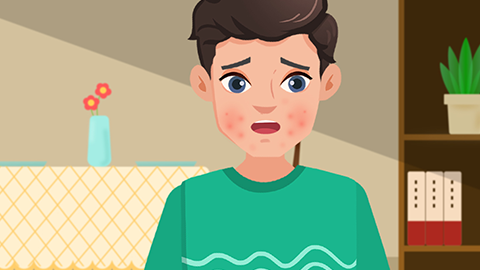
Diet should be light and bland; avoid spicy and irritating foods. Consume more vitamin-rich foods, such as apples, tangerines, and oranges. Patients may also benefit from eating high-fiber foods—for example, celery—which promotes intestinal motility, maintains regular bowel movements, and aids in eliminating toxins from the body. Drink plenty of water daily to support toxin elimination, and practice proper skin care—sulfur soap may be used for cleansing.
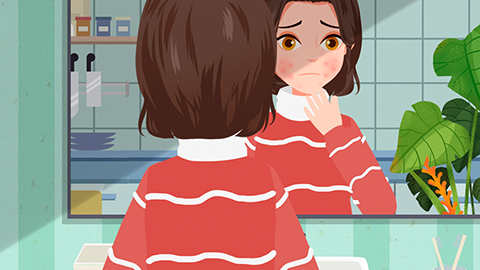
Therefore, patients are advised to maintain good personal hygiene and follow a light, balanced diet. We hope this article has been helpful to you!




