


Can acne be cured?
May 18, 2022
Source: Cainiu Health

Dr. Liu Wan
Introduction
If the condition is severe, seek medical attention at a hospital for targeted treatment based on the underlying cause, combined with appropriate medication. Additionally, cultivate healthy lifestyle habits in daily life—avoid staying up late, maintain regular sleep-wake cycles, and follow a light, balanced diet. With proper management, acne can be effectively treated. Acne symptoms include comedones (blackheads and whiteheads), papules, pustules, nodules, and cysts; however, not all individuals will experience every type of lesion, as manifestations vary depending on disease severity.
Acne treatment is, in fact, an important topic. Acne—commonly known as “youth acne” or “teenage acne”—manifests in various forms. For some patients, acne not only affects physical appearance but also exerts a significant psychological impact. So, can acne be cured?
Can acne be cured?
In severe cases, patients should seek medical care at a hospital. Treatment must be tailored to the underlying cause and combined with appropriate medications. Additionally, cultivating healthy daily habits is essential—avoiding late-night activities, maintaining regular sleep-wake cycles, and adhering to a light, balanced diet. With such comprehensive management, acne can indeed be effectively treated and resolved.
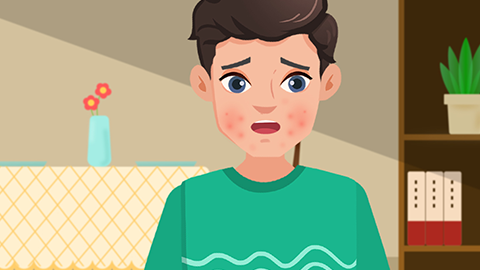
Acne symptoms include comedones (blackheads and whiteheads), papules, pustules, nodules, and cysts. Not every patient exhibits all manifestations; therefore, treatment strategies are individualized based on clinical presentation. Mild acne is typically managed with topical medications, primarily antibiotic ointments possessing anti-inflammatory and antibacterial properties. Since acne pathogenesis involves inflammation and bacterial infection—particularly by *Cutibacterium acnes* (formerly *Propionibacterium acnes*) within pilosebaceous units—commonly prescribed topical antibiotics include erythromycin ophthalmic ointment, chlortetracycline (auranofin) ophthalmic ointment, mupirocin ointment, compound polymyxin B ointment, and benzoyl peroxide gel—all of which demonstrate potent antibacterial activity. Additionally, topical retinoids such as tretinoin cream (a retinoic acid derivative) may be used for mild cases; these agents promote keratinocyte desquamation, thereby unclogging follicular openings obstructed by hyperkeratotic plugs. In more severe cases, systemic therapy is required—including oral antibiotics (e.g., minocycline) or oral isotretinoin. Other therapeutic modalities include phototherapy, such as red and blue light irradiation, offering additional effective options.
Patients exhibiting these symptoms should actively cooperate with their prescribed treatment regimen. We hope this article has been helpful to you!




