What Should You Avoid Eating When Uric Acid Levels Are High?
May 18, 2022
Source: Cainiu Health

Dr. Liu Aihua
Introduction
Individuals with elevated uric acid levels should avoid consuming pepper and cinnamon. Patients with hyperuricemia may experience joint pain, which can impair mobility. Both pepper and cinnamon are considered “heat-inducing” in traditional Chinese medicine and may exacerbate existing discomfort. Moreover, cinnamon consumption may adversely affect liver and kidney function. Foods rich in purines—such as black beans, soybeans, sorghum, corn, and millet—are unsuitable for individuals with high uric acid levels.
The human body can develop numerous diseases, and hyperuricemia (elevated uric acid levels) is a common health concern affecting many people. Since the underlying causes of hyperuricemia vary, treatment approaches must be tailored accordingly. So, what foods should individuals with high uric acid avoid?
Foods to Avoid with Hyperuricemia
Individuals with elevated uric acid levels should avoid pepper and cinnamon. Patients with hyperuricemia often experience joint pain, which may impair mobility. Pepper and cinnamon are considered “heat-inducing” in traditional medicine and may exacerbate existing discomfort. Moreover, cinnamon consumption may worsen symptoms and adversely affect liver and kidney function. Legumes such as black beans and soybeans, as well as grains including sorghum, corn, and millet, contain relatively high levels of purines and are therefore unsuitable for individuals with hyperuricemia.
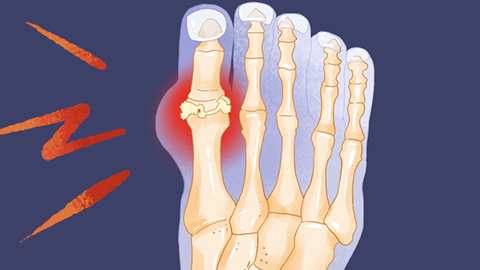
Individuals with hyperuricemia should also avoid soy products, which are rich in purines. In those with impaired purine metabolism—common in hyperuricemia—consuming soy products may further elevate uric acid levels and increase the risk of gout. Alcohol is strictly contraindicated, as it promotes lactic acid accumulation, thereby inhibiting renal excretion of uric acid. Seafood must also be avoided due to its exceptionally high purine content, which can trigger uric acid spikes and acute gout attacks; thus, fish, shrimp, and crab should all be excluded from the diet. Regular alcohol consumption—including beer and spirits—also stimulates purine synthesis and should therefore be avoided.

Individuals with hyperuricemia must strictly avoid these foods, as their consumption may worsen symptoms and delay recovery. Maintaining healthy lifestyle habits—including balanced nutrition—is essential for managing hyperuricemia and accelerating disease resolution. We hope this article has been helpful. Wishing you a joyful life and optimal health!