


What foods should be avoided when uric acid levels are high?
May 20, 2022
Source: Cainiu Health

Dr. Liu Aihua
Introduction
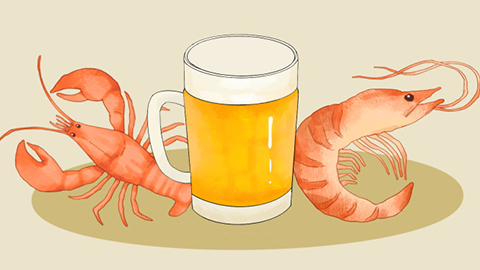
Alcoholic Beverages: Including beer, baijiu (Chinese distilled spirit), and red wine—these contain relatively high levels of purines; thus, individuals with hyperuricemia should avoid alcohol consumption as much as possible.
Seafood, Animal Offal, and Meat: Foods such as seafood, animal offal, meat, and meat broths are high in purines and should be avoided by patients with hyperuricemia.
Soybean Products or Legumes: Tofu and lentils contain relatively high levels of purines and should therefore be avoided by individuals with hyperuricemia.
Sugar-Sweetened Beverages: These beverages do not contain purines.
Elevated uric acid levels are more commonly observed in older adults; however, this is only a general trend—individuals of younger age can also develop hyperuricemia. It is widely known that dietary management is crucial for those with high uric acid. So, which foods should be avoided?
Foods to Avoid with High Uric Acid
Alcoholic beverages: including beer, baijiu (Chinese distilled spirit), and red wine—all contain relatively high levels of purines; thus, individuals with hyperuricemia should avoid alcohol consumption as much as possible. Seafood, organ meats, and certain meats: foods such as shellfish, animal offal (e.g., liver, kidneys), red meat, and meat broths are rich in purines and should therefore be avoided. Soybean products and legumes: tofu and broad beans contain relatively high purine levels and should likewise be avoided by individuals with hyperuricemia. Sugar-sweetened beverages: although these contain no purines, the fructose they contain interferes with purine metabolism. Consequently, frequent consumption of sweetened drinks increases the risk of elevated serum uric acid levels. Long-term intake of sugar-sweetened beverages is strongly discouraged.
Disease—particularly kidney disease—is a major underlying cause of hyperuricemia. Elevated uric acid often results from impaired renal function, as one of the kidneys’ primary roles is to excrete metabolic waste products from the body. When kidney function is compromised, uric acid cannot be effectively eliminated, leading to its accumulation in the bloodstream.

Asymptomatic hyperuricemia is frequently attributable to dietary factors alone. Symptomatic hyperuricemia, by contrast, typically indicates an underlying pathological condition. Treatment strategies differ depending on the root cause; therefore, identifying the specific etiology is the first and most critical step in managing hyperuricemia. We hope this information proves helpful!



